
Generate your own fox girl images now
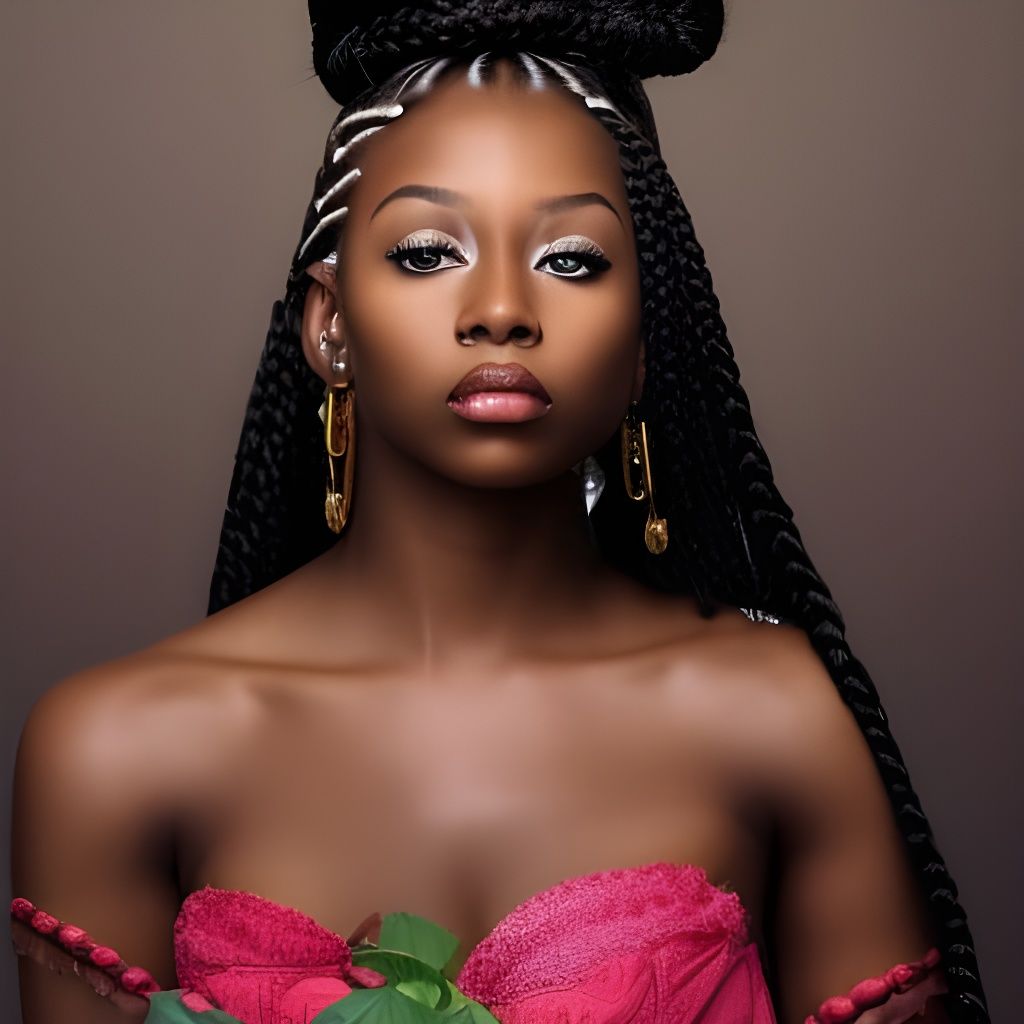
Create your own beautiful fox girl images with our free AI image generator. It's fun and easy!

3 years ago
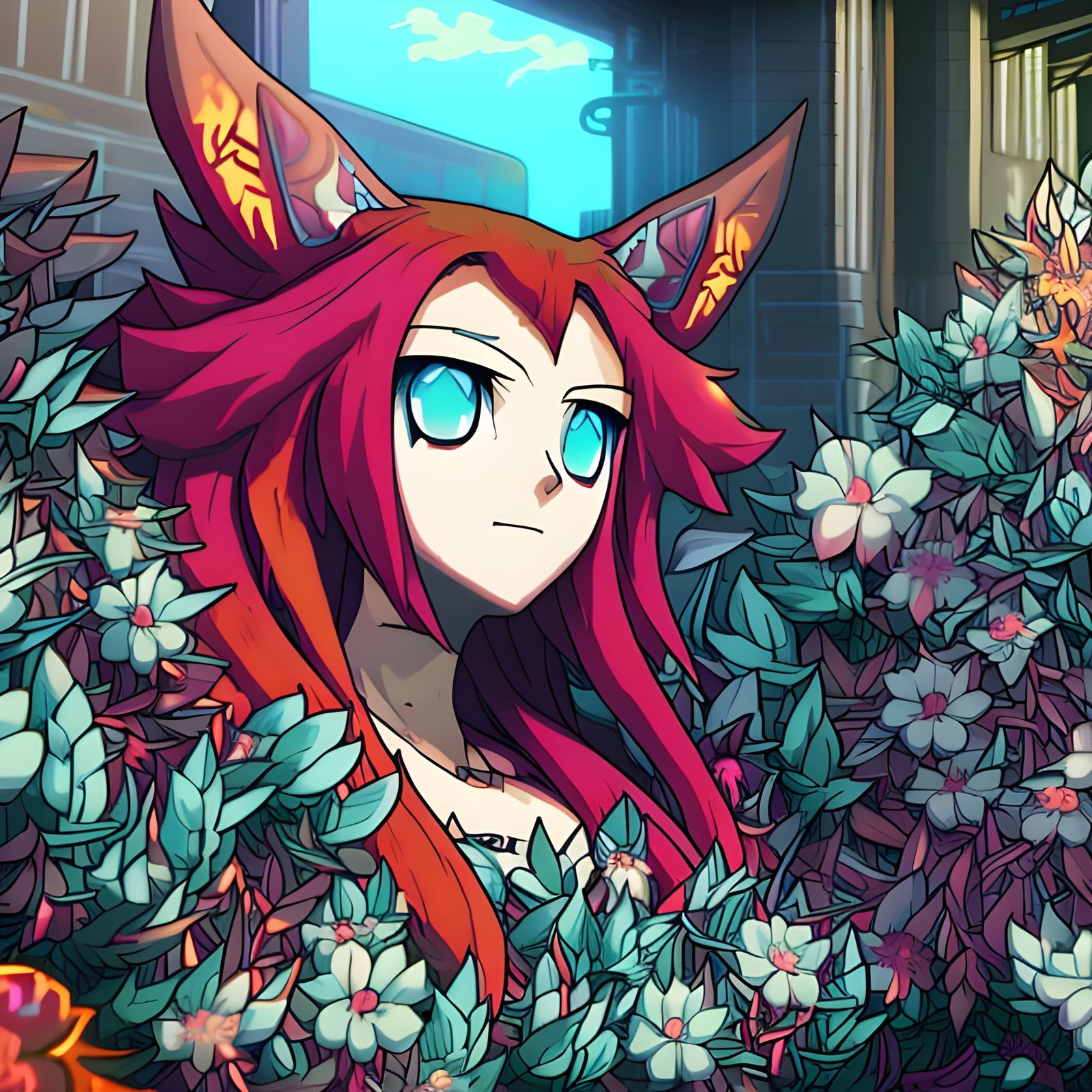
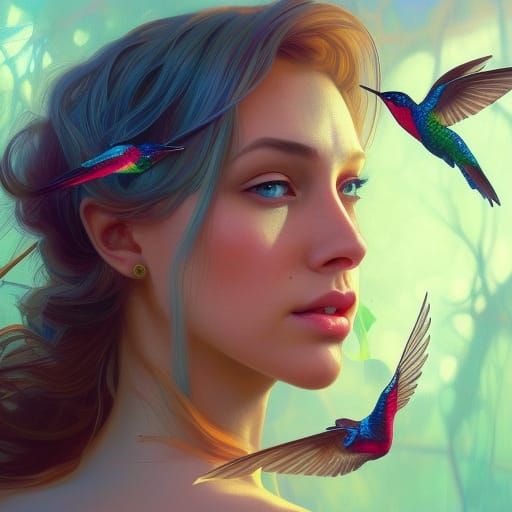
Flowers & Fox Girls
Created 3 years ago · 12 comments· 0 likes
Stable Diffusion 2.0 (768)
12 Comments
Join the conversation




stunning do you mind checking out my art work?
Creation Settings
- Preset Style
Anime
- Text Prompts
High Flyer has hidden the prompt
- Model
- Initial Resolution
Low
- Aspect Ratio
1:1
- Runtime
Medium
- Overall Prompt Weight
90%
- Sampling method
K_DPM_2_ANCESTRAL
- CLIP Guidance
SIMPLE










She lived more than 4,000 years ago, she was a Sumerian priestess and, worth mentioning, she was the first recorded author in the world. Her name is Enheduanna, and her place in history is finally being recognized in a new show at New York’s Morgan Library and Museum.
It’s an exhibition that tells an extraordinary story of not just one individual, but of the role of women as a whole in the ancient society of the Fertile Crescent. Not only did the Mesopotamians worship the goddess Ishtar (in Akkadian) or Inanna (in Sumerian), but they also respected women and their important societal contributions, whether as mothers or wet nurses, as skilled agriculture or textile workers, or as religious priestesses with cultic responsibilities.
In the most famous of three poems attributed to Enheduanna, Th