Generate your own unique fairy images with AI
Create your own unique fairy images with our free AI image generator. It's easy and flexible!
4 months ago
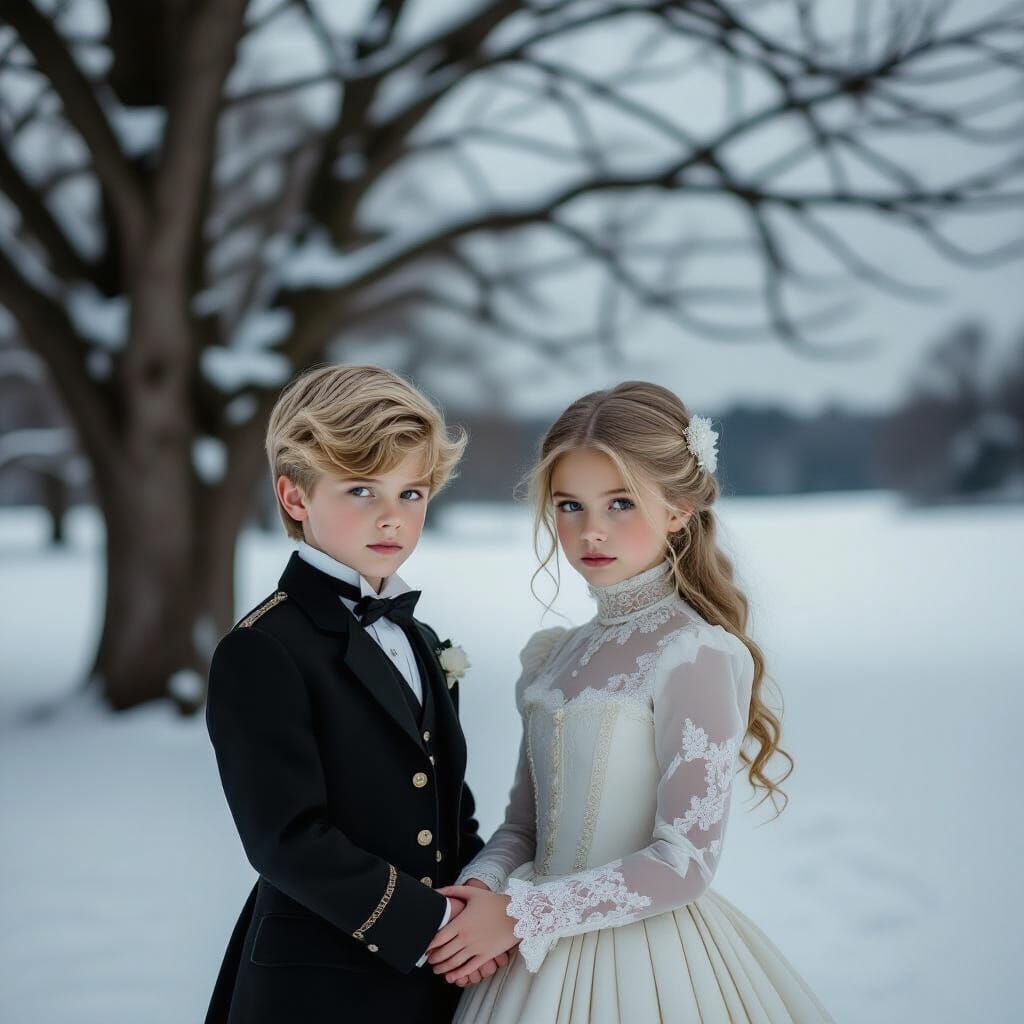
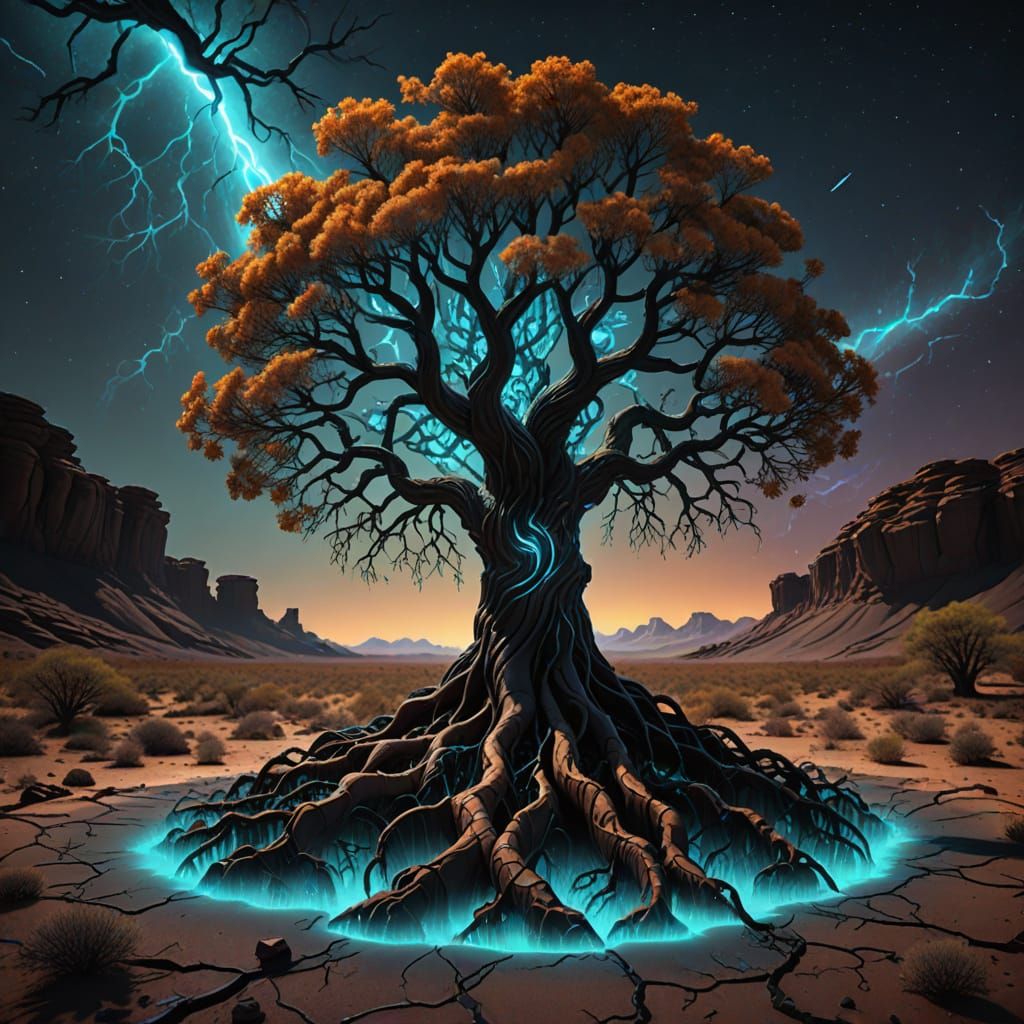
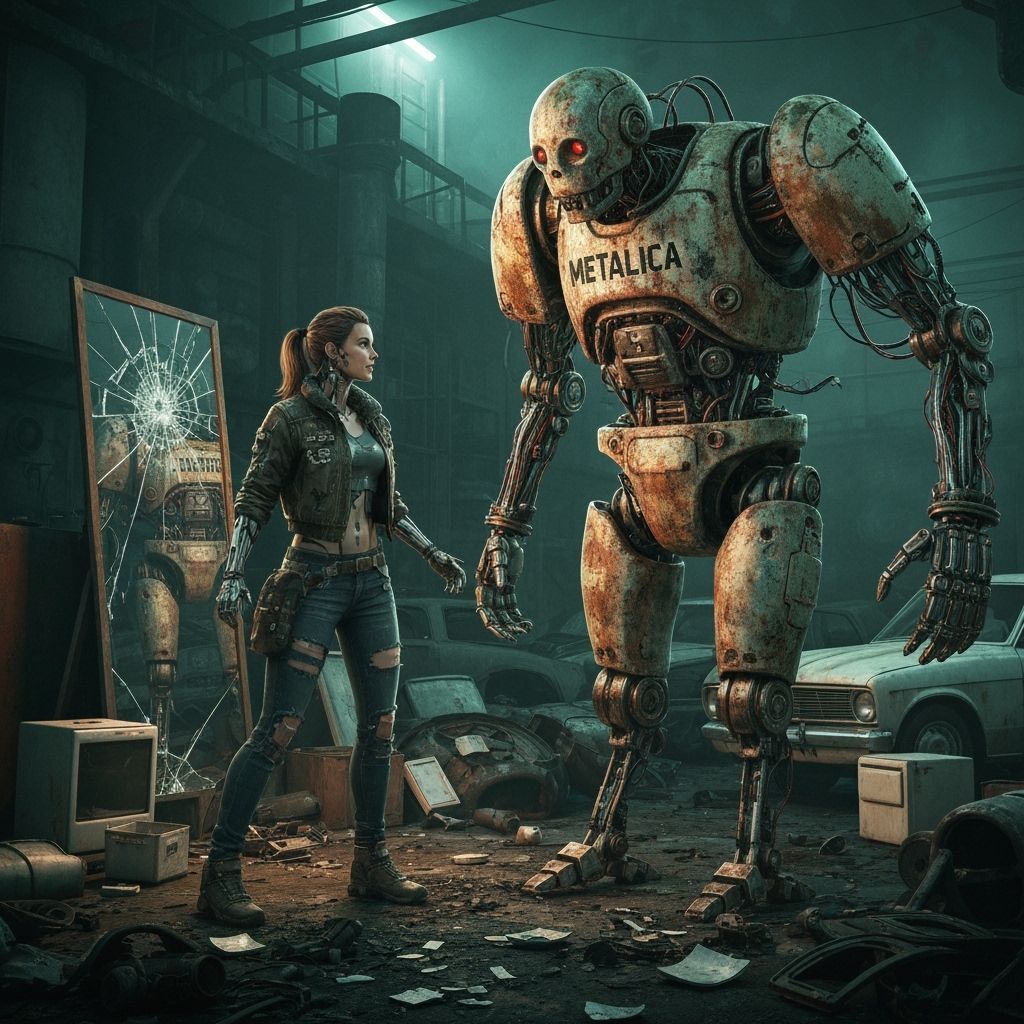
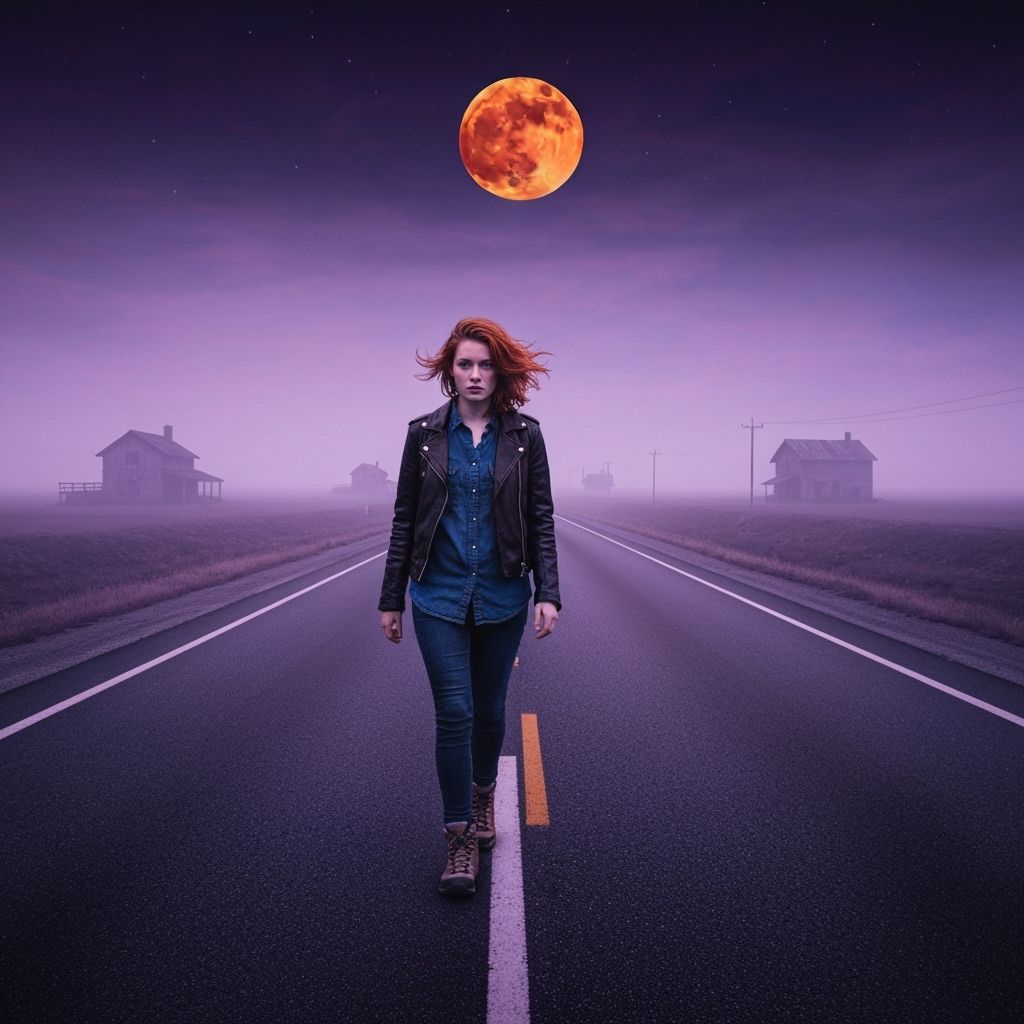
Break away from the usual soft wings and glitter. Redefine what a fairy can look like, where it lives, or how it moves through the world. ...
Created 4 months ago · 0 comments· 0 likes
HiDream I1 Fast
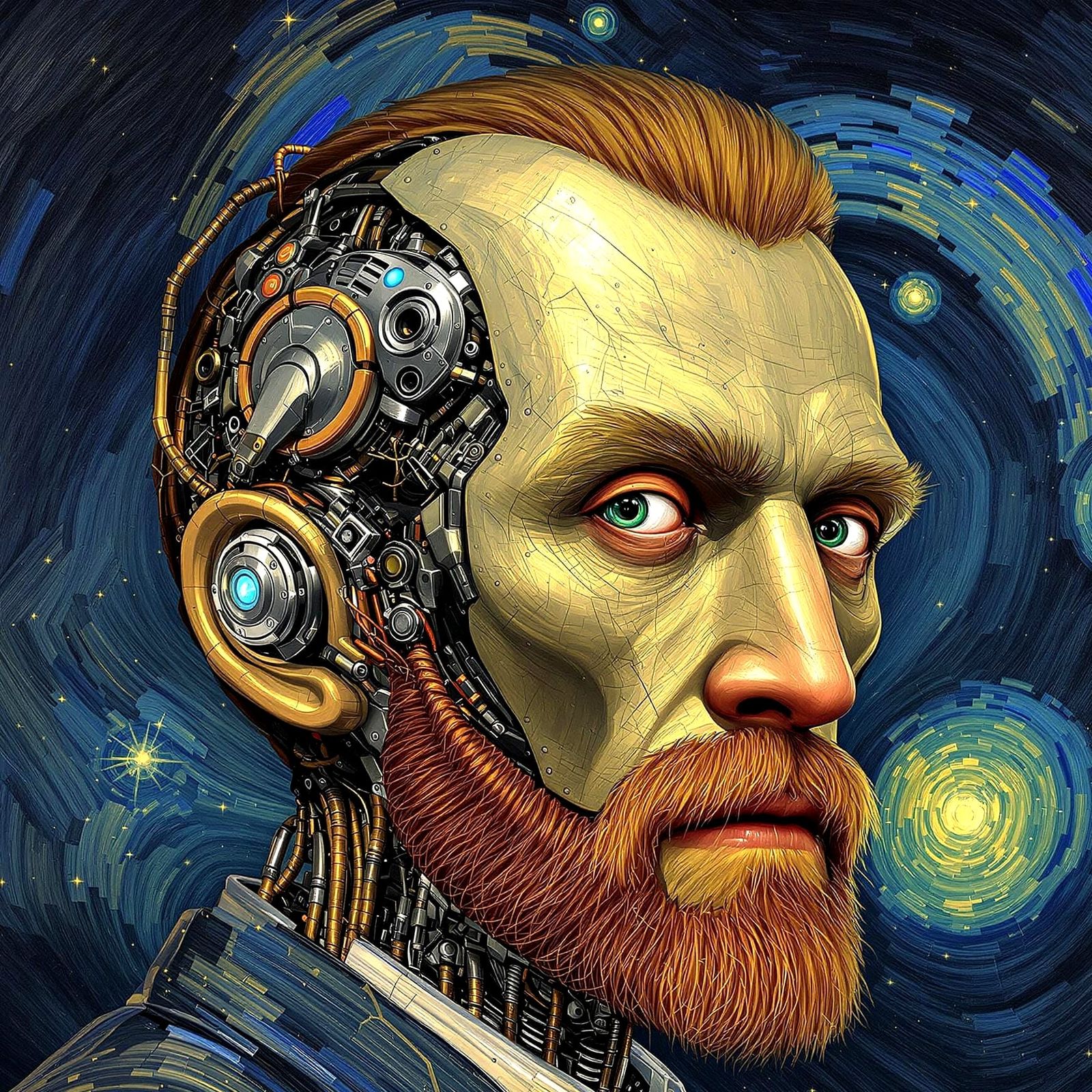
Creation Summary by Vincent
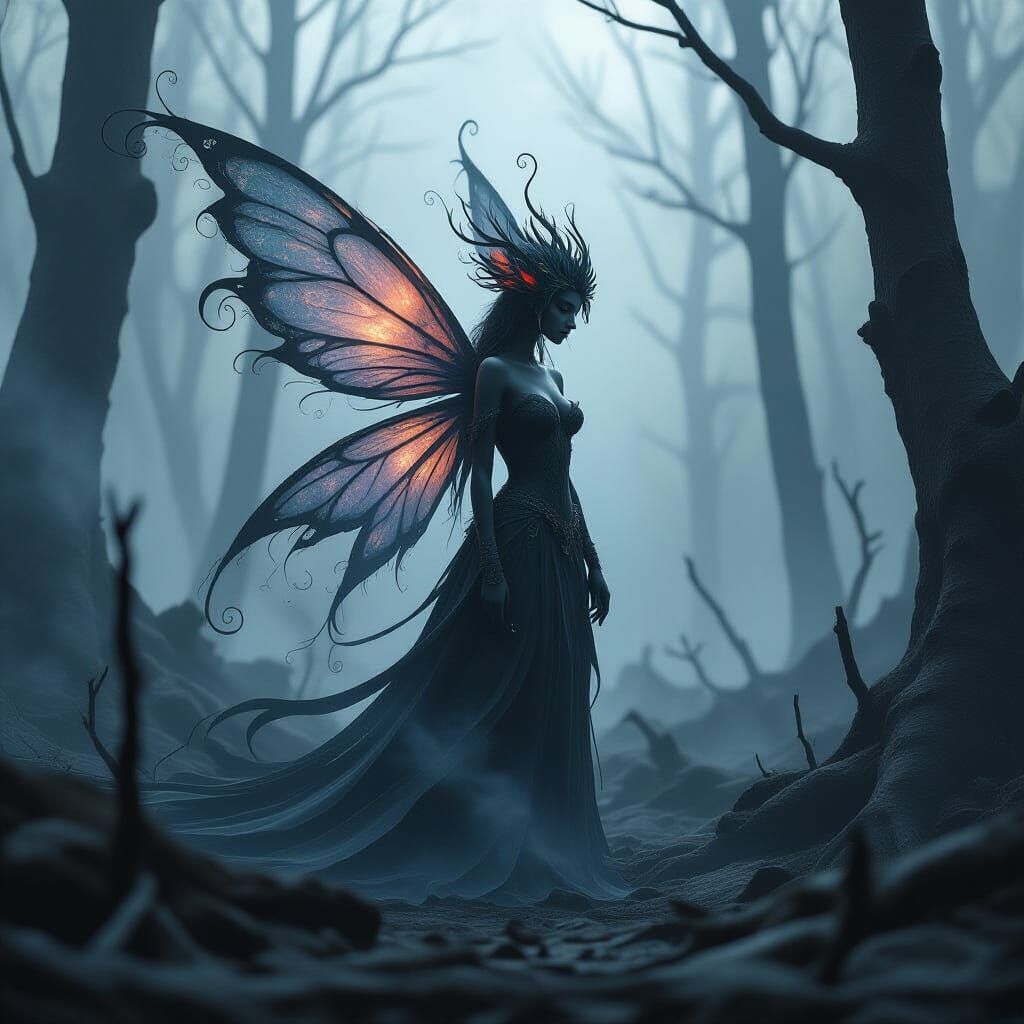
Mystical Ash Fairy in Charred Forest: Dark Art
A captivating image of a fairy formed from smoke and ash, residing in a desolate, burnt forest. The artwork features a dark, industrial aesthetic with an ethereal glow.
Created by Moonflowerrose on Aug 13, 2025 using the HiDream I1 Fast AI image generator model.
No comments yet
Be the first to respond!

No comments yet.
Creation Settings
- Text Prompts
- Break away from the usual soft wings and glitter. Redefine what a fairy can look like, where it lives, or how it moves through the world. A fairy made of smoke and ash in a charred forest. A mechanic fairy with metal wings and glowing eyes. A swamp fairy covered in moss, vines, and mudWeight: 1
- Model
 CKPT
CKPT- Initial Resolution
Medium
- Aspect Ratio
1:1
- Overall Prompt Weight
50%