

Create your own images of Queer Women with AI
Unleash your creativity! Design your own unique images of queer women with our powerful AI image generator, completely free.
Creation Settings
- Text Prompts
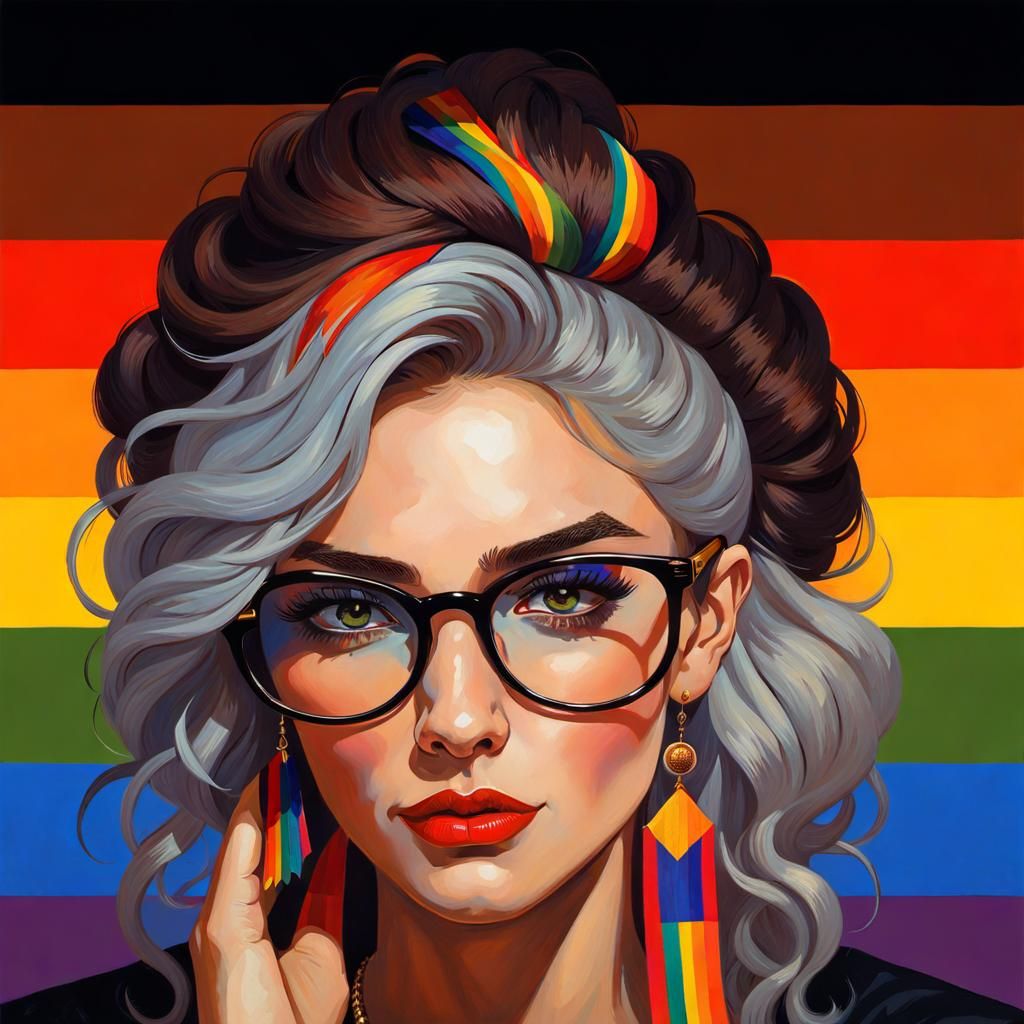
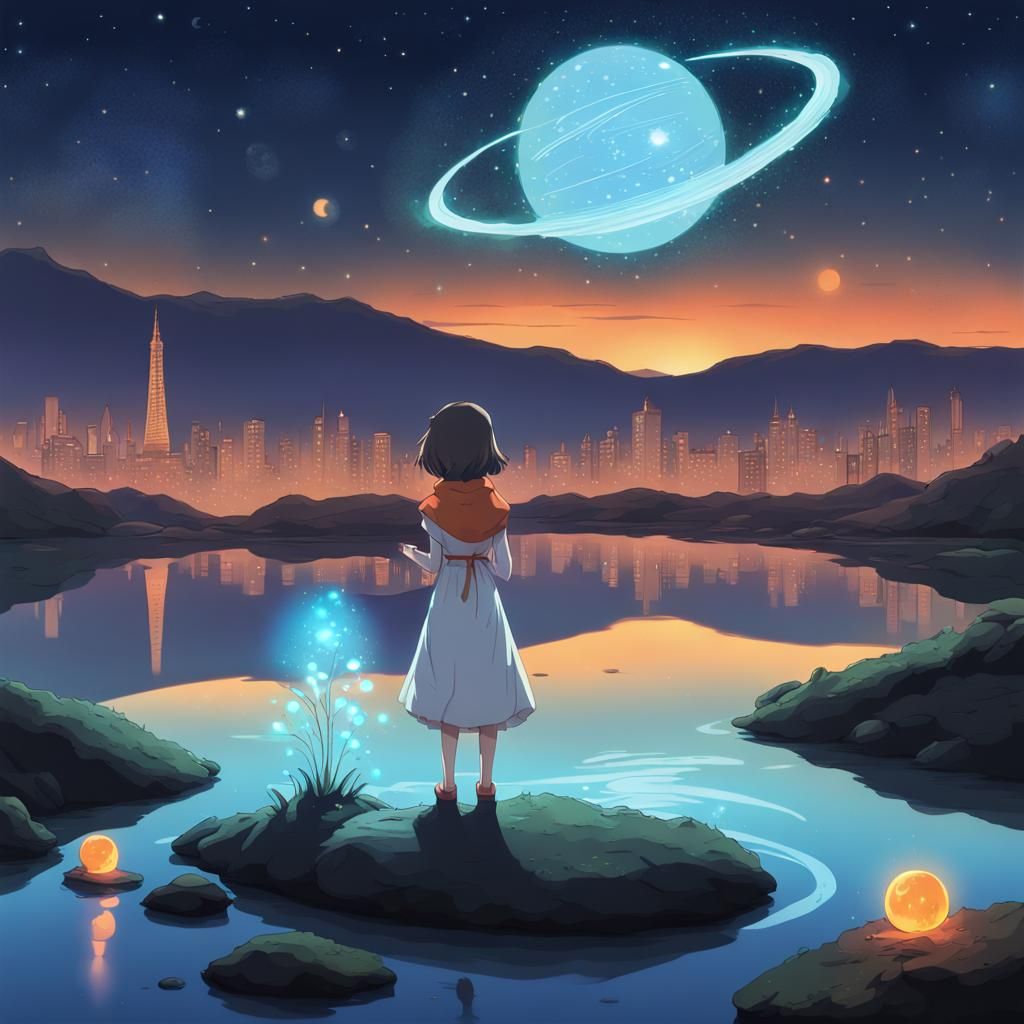
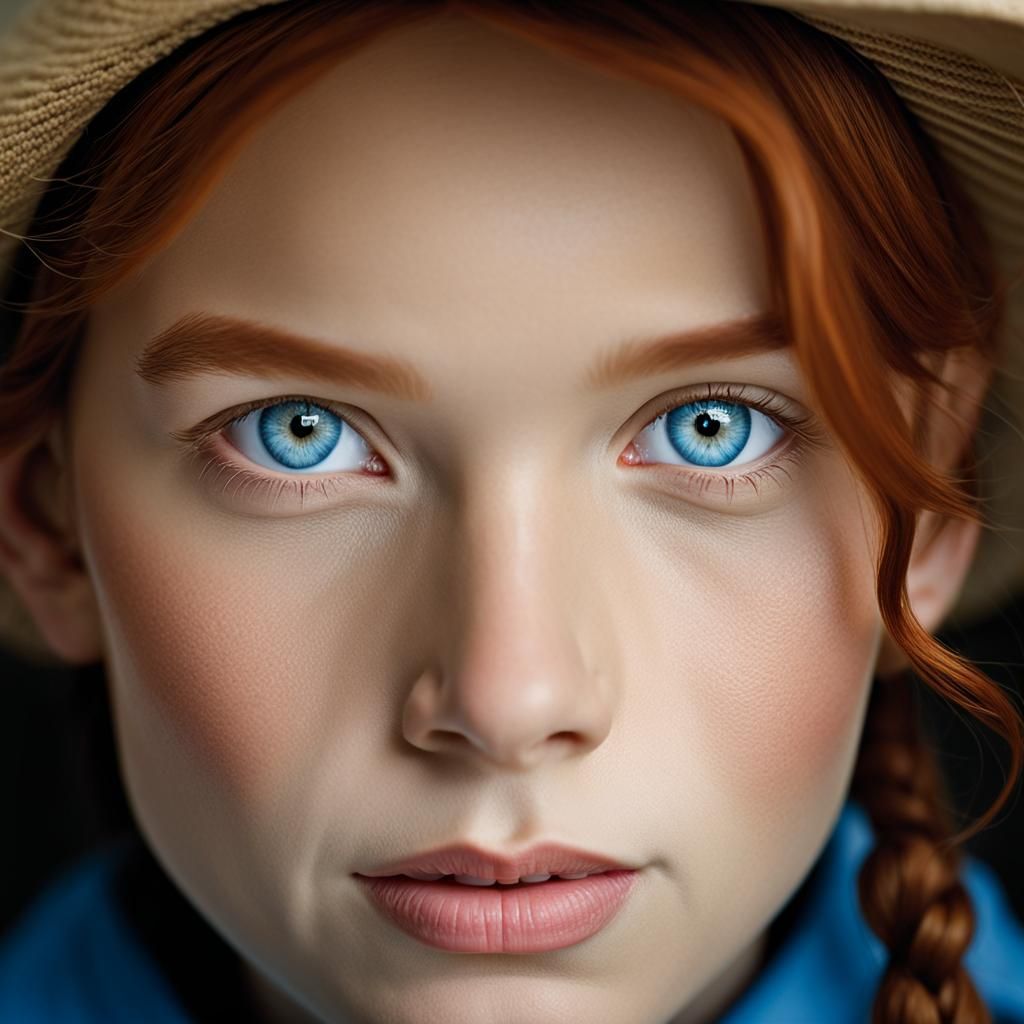
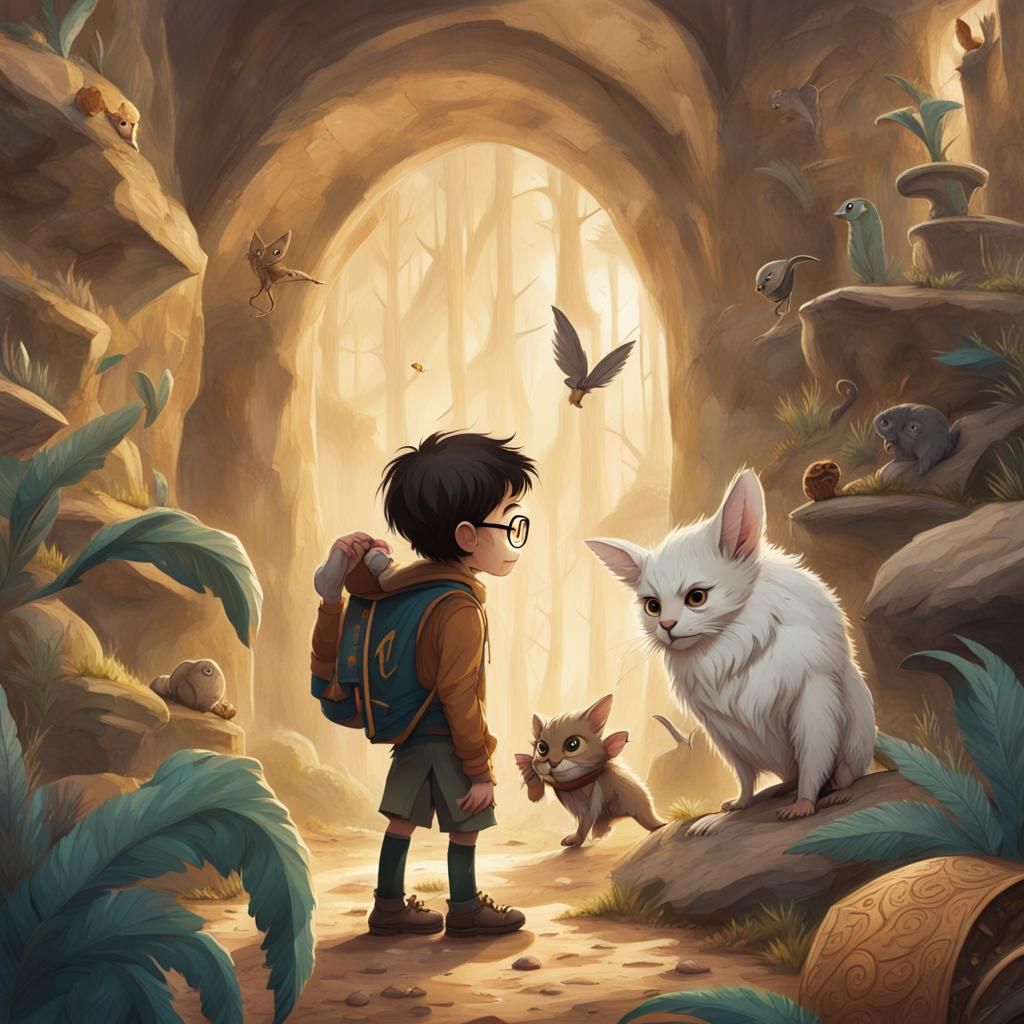
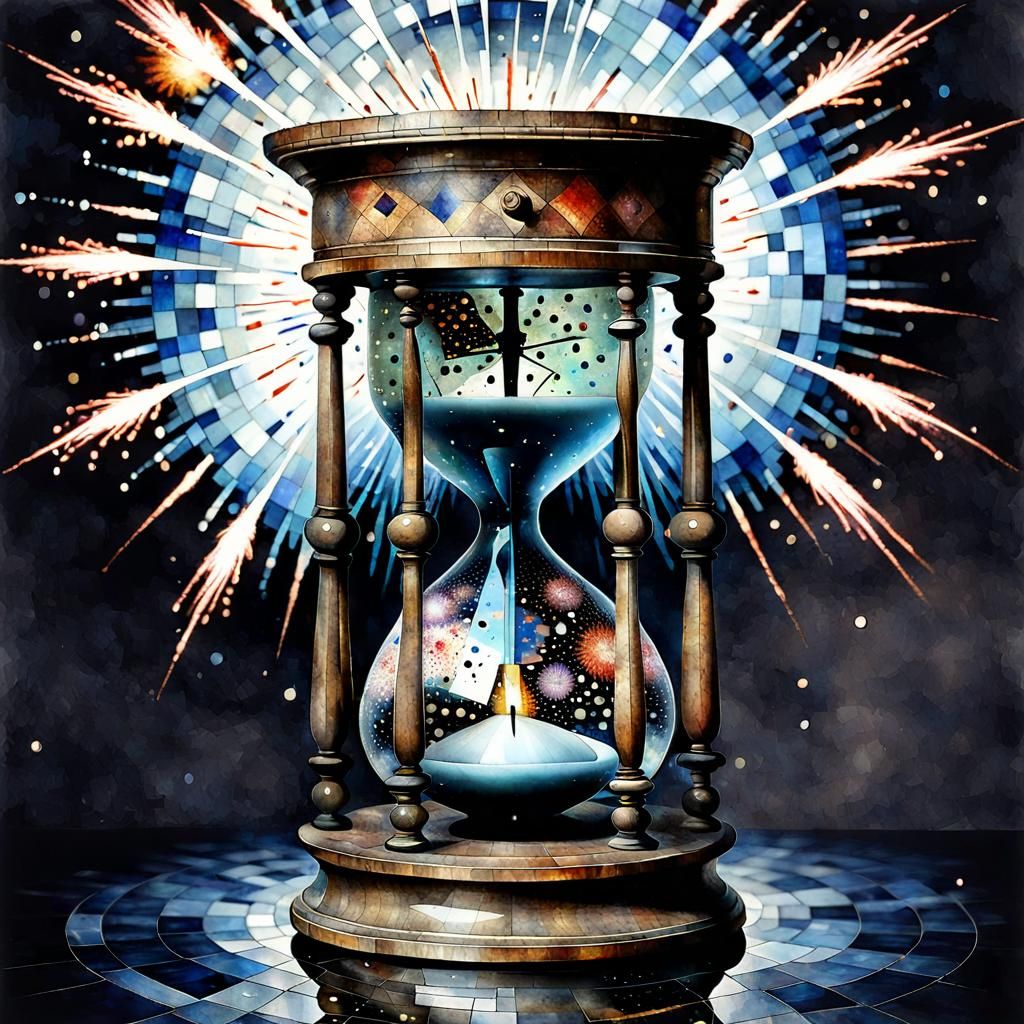
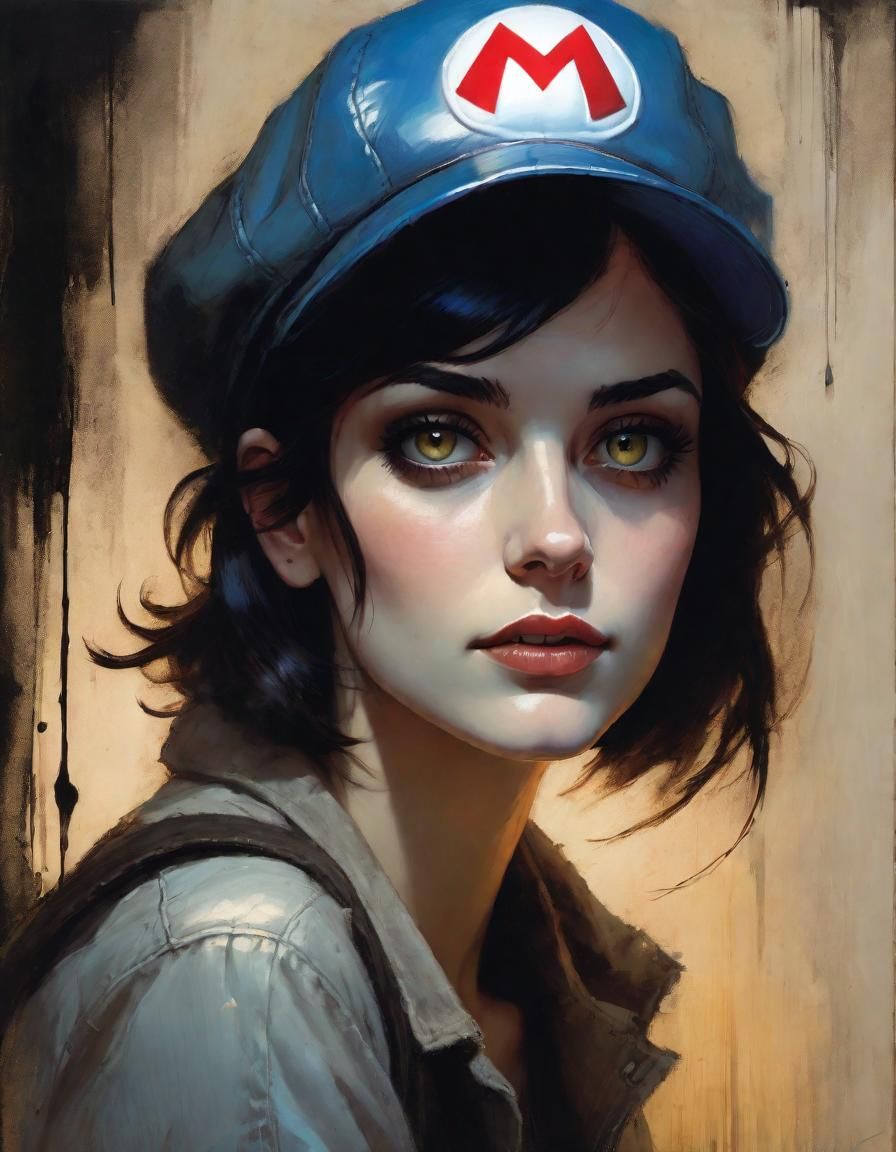
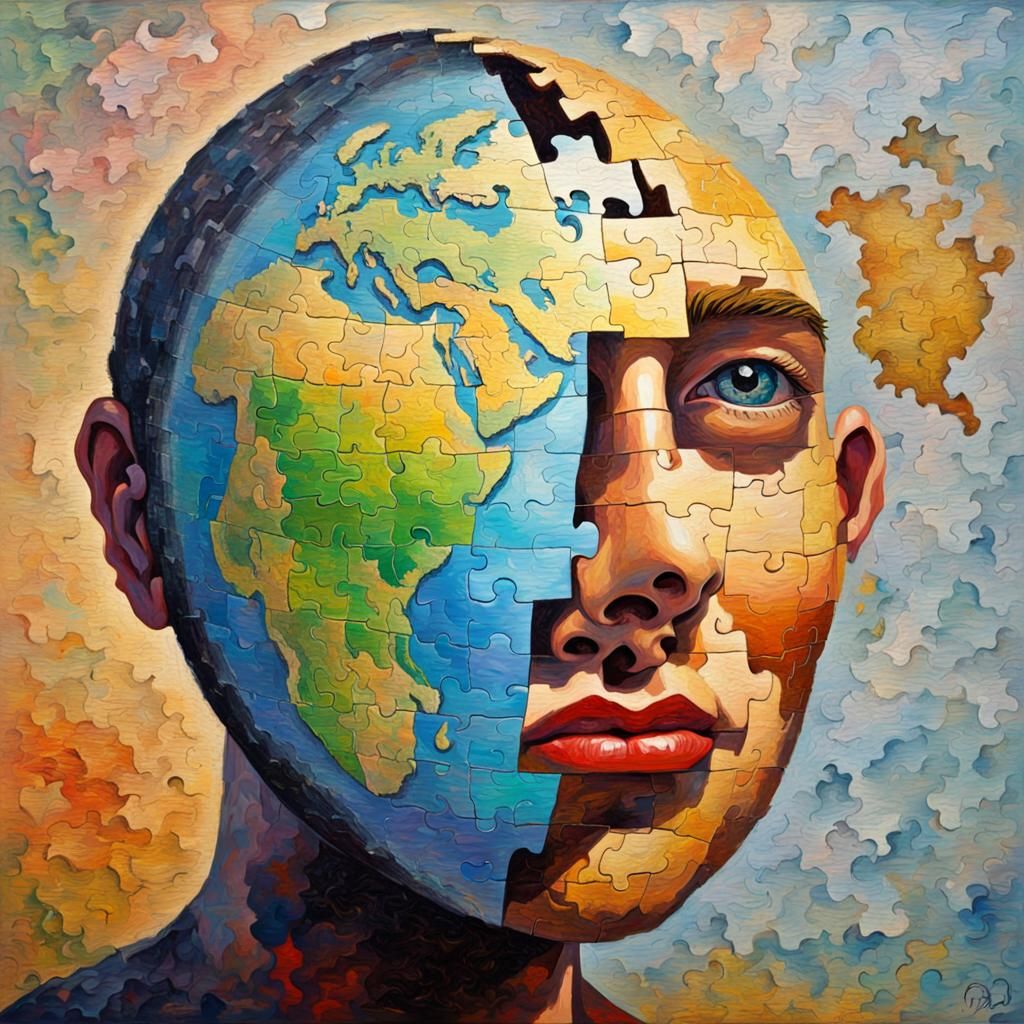
- stilysh modern Dutch young woman with very thick hair wearing eyeglasses. LGBTQ flag. by Ivan Bilibin, Ismail Inceoglu, Jean Giraud, by Louis Wain, oil painting by James GurneyWeight: 2Closed eyes, distorted gaze, poorly drawn eyes, cat, ugly, tiling, poorly drawn hands, poorly drawn feet, poorly drawn face, out of frame, extra limbs, disfigured, deformed, body out of frame, blurry, bad anatomy, blurred, watermark, grainy, signature, cut off, draftWeight: -0.3
- Model
 CKPT
CKPT- Initial Resolution
Medium
- Aspect Ratio
1:1
- Runtime
Short
- Overall Prompt Weight
90%
- Refiner Weight
10%
- Noise Weight
75%
- Sampling method
K_DPMPP_2M
- Start Image


Why does that word mean what it means? Queer? It used to mean—and in England, is still used to mean—something that is strange and unsettling. Such as the chapter title from The Hobbit: “Queer Lodgings.” I myself am queer in both senses—very strange, and also not heterosexual, because even if I was heterosexual, that would only exclude other genderless people from my dating pool. Hetero– simply means “different.” And I spent a great deal of time in love with another genderless Purple Person, as disastrously as that may have ended. But I digress; why is it so common to use “queer” this way? Is it simply because people like Q words? Or is the reason more sad and sinister?