Generate your own futuristic images
Create your own futuristic visions with our AI image generator. It's free and easy!
4 years ago
Future impression
Created 4 years ago · 0 comments· 0 likes
Coherent

Creation Summary by Vincent
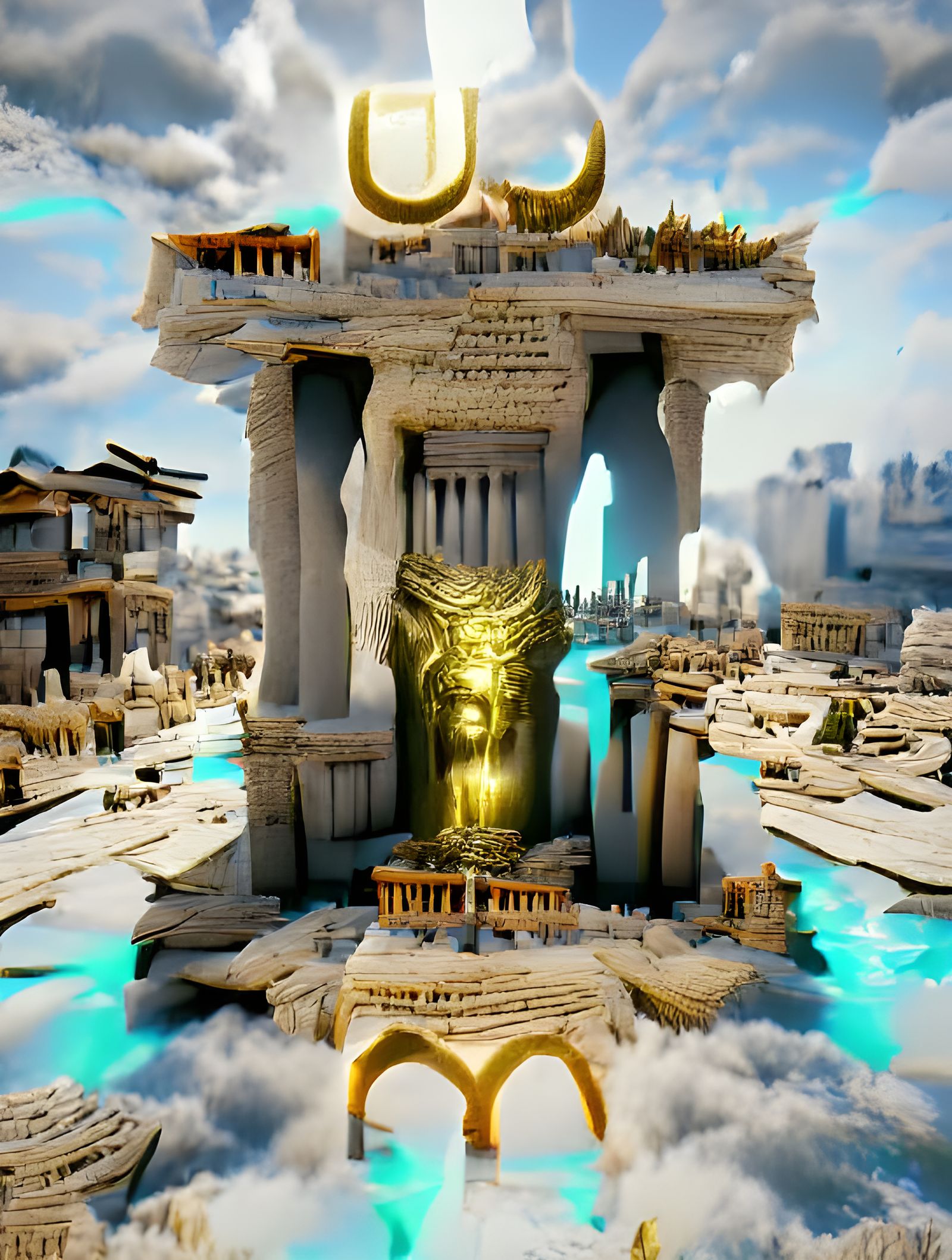
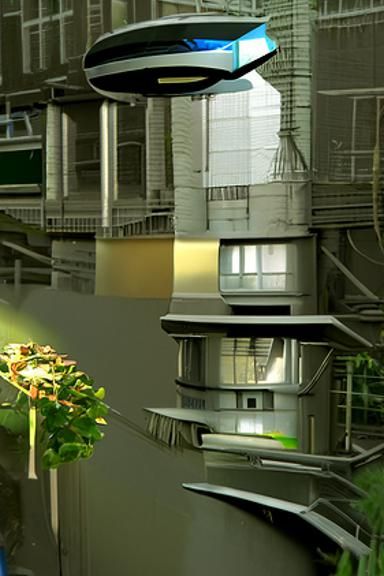
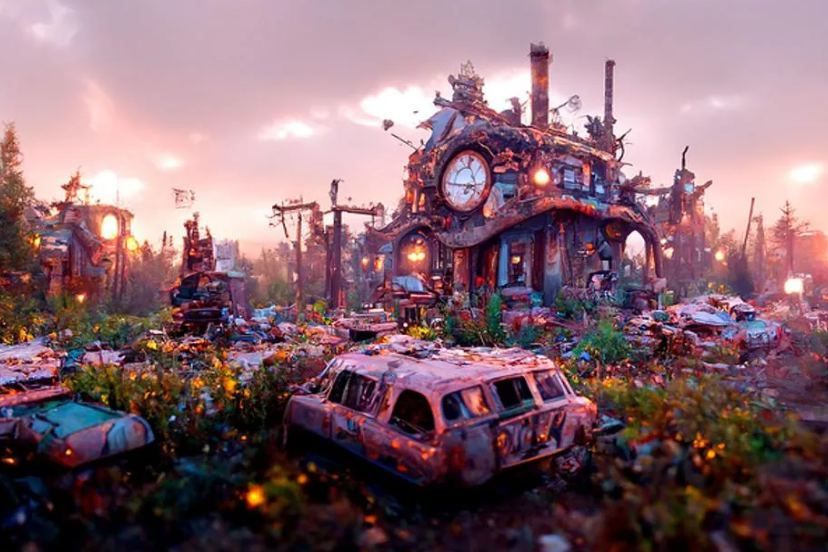
Futuristic Cityscape with Flying Vehicles and AI
A futuristic city with flying vehicles and interconnected streets, powered by data and AI. This image envisions a future where urban spaces blend technology with green initiatives.
Created by Humanoid cyborg on Jul 15, 2022 using the Coherent AI image generator model.
No comments yet
Be the first to respond!

No comments yet.
Creation Settings
- Text Prompts
- In the future, cities may see flying vehicles, mega bridges, super-connected street experiences, and underground spaces. Those futuristic cities will be powered by big data, the Internet of Things, and artificial intelligenceWeight: 1Imagine a city of the future. Do you see clean streets, flying cars and robots doing all the workWeight: 1If the cities of the past were shaped by people, the cities of the future are likely to be shaped by ideas, and there are a lot of competing ones about how such a futuristic urban space should look.Weight: 1Visions of a green city often include skyscrapers where living and office space vie with floating greenhouses or high-rise vegetable patches and green roofs, as we try to combine urbanisation with a return to our pastoral past.Weight: 1The fact that big corporations are becoming so heavily involved in designing city infrastructure has led critics to question how quickly such a city may, like the computer systems they are relying on, become obsolete.Weight: 1Truly smart - and real - cities are not like an army regiment marching in lockstep to the commander's ordersWeight: 1As smart cities move from concept to reality, Ovum analyst Joe Dignan has a word of caution for those hoping to grab a piece of the action.Weight: 1Companies produce videos of glass houses of lovely people doing Minority Report-style stuff, but show me how this will help people sitting in their council flat 20 storeys in the sky?Weight: 1by Ayan Nag, Marcin Rubinkowski, Adam Varga – ArtStation, Xue Han, Gunship Revolution, Jonathan Lam, Amy Lauver,Weight: 18k resolution, volumetric lighting, VRay, deviantart, finalRender, Unreal EngineWeight: 0.88K3D, 8K resolution, DSLR, Unreal Engine, detailed paintingWeight: 0.8
- Model
 CKPT
CKPT- Initial Resolution
Thumb
- Aspect Ratio
3:4
- Overall Prompt Weight
100%
- Start Image Weight
100%
- Noise Weight
50%
- Accuracy boost
None