

- Galleries
- AI Art vs. Traditional Masterpieces
AI Vs Real Art
Discover the fascinating world of AI vs Real Art. Explore stunning examples and understand the nuances between human creativity and artificial intelligence in art creation.

As seen in








AI Art vs. Traditional Masterpieces
A curated collection comparing AI-generated art with traditional artistic creations, highlighting unique styles, techniques, and the evolving landscape of art.


Didn't find what you were looking for? Create your own below!
Create your own AI Vs Real Art images
Discover the magic of Text to Image AI by creating your own unique images. Edit the prompt below to customize your creation.
No payment or credit card required.

Juxtapose Creativity's Frontiers
Exploring The Differences In AI And Traditional Art
Witness the captivating dialogue between human touch and machine intelligence. Our gallery showcases AI Vs Real Art side-by-side, inviting you to discern the unique textures, brushstrokes, and emotional depths that define each creation. Understand how AI interprets artistic principles and where human intuition still reigns supreme.
Explore the AI vs Real Art Gallery
Step 1
Describe Your Desired Artwork
Begin by entering a descriptive prompt that captures the essence of the art you wish to compare. Specify elements like style, subject matter, mood, and even mention if you're aiming for an AI-generated look or a traditional art feel. The more detail you provide, the closer the AI can get to your vision.
Step 2
Generate Your AI Art Piece
After crafting your prompt, click the 'Generate' button. The AI will then process your request and create an image based on your specifications, ready for comparison with traditional art styles.
Step 3
Download, Share, and Compare
Once your AI artwork is generated, you can download it in high resolution or share it within the community. Use this opportunity to compare it with real-world art examples and appreciate the distinct characteristics of each.

Master Diverse Artistic Visions
Explore AI Art Generation Techniques And Styles
Dive into the expansive world of AI Art Generation. Explore AI Art Generation Techniques and Styles, from hyperrealism to abstract expressionism, each crafted by different AI models. Discover how variations in prompts and algorithms lead to unique artistic outcomes, expanding the horizons of digital creativity.
More Galleries

Lacrosse Images - AI Generated
Discover dynamic AI-generated lacrosse images. Get inspired by unique action shots and player portraits, then create your own vibrant lacrosse art on NightCafe.
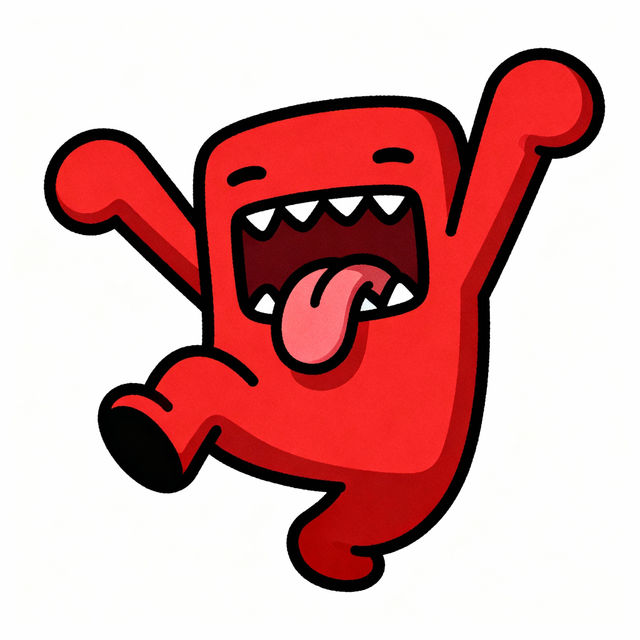
Domo Drawings - Made With AI
Discover a gallery of unique Domo drawings created with AI. Get inspired by diverse styles and then generate your own custom Domo art on NightCafe.
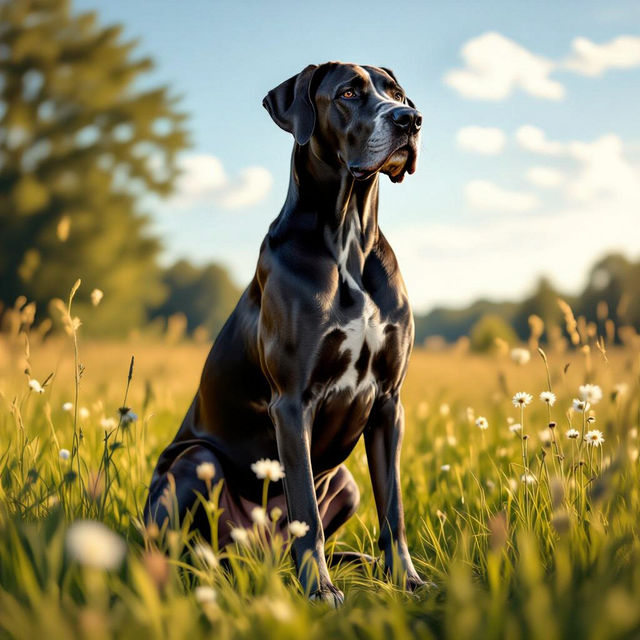
Pictures of Big Dogs - AI Generated
Explore stunning pictures of big dogs generated by AI. Find inspiration for your own canine creations and bring your favorite large breeds to life with our AI art tools.
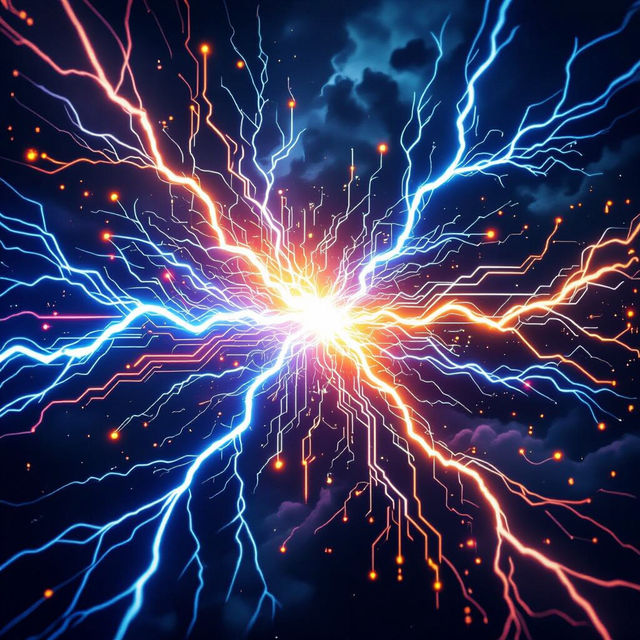
Electricity Images - Made With AI
Browse a captivating gallery of electricity images created with AI. Get inspired by lightning, circuits, and energy visuals, then generate your own unique electric art.
Frequently Asked Questions
Understanding the Differences Between AI and Real Art
How does this gallery help me understand the difference between AI and real art?
This gallery presents AI-generated art alongside traditional, human-created art. By viewing them side-by-side, you can observe and compare the distinct characteristics, such as brushstrokes, texture, emotional expression, and overall composition, to better appreciate the unique qualities of each.
What makes AI art different from traditional art?
AI art is created using algorithms and machine learning models trained on vast datasets of existing art. While AI can mimic styles and techniques, traditional art is born from direct human experience, emotion, and physical skill, often resulting in unique imperfections and a distinct tactile quality that AI may not fully replicate.
Can AI art truly be considered 'creative'?
This is a central theme explored in the gallery. AI can generate novel and aesthetically pleasing images by interpreting prompts and learning from data. However, the definition of creativity is debated; while AI excels at pattern recognition and synthesis, true human creativity often involves intent, lived experience, and emotional depth that AI currently does not possess.
What AI art generation techniques are showcased in relation to traditional art?
The gallery features various AI art generation techniques, from hyperrealism to abstract styles, allowing for direct comparison with their traditional art counterparts. You'll see how different AI models and prompt engineering can interpret artistic principles and styles, and how these outcomes stack up against the nuanced results of human artists.