

- Galleries
- Inspiring Art Education Visuals
Art Teacher Requirements
Explore the essential art teacher requirements to embark on your career. Learn about necessary qualifications, skills, and how AI can inspire your teaching journey.

As seen in








Inspiring Art Education Visuals
A curated collection of visuals related to art education, showcasing classroom inspiration, creative projects, and the journey of becoming an art teacher.


Didn't find what you were looking for? Create your own below!
Create your own Art Teacher Requirements images
Discover the magic of Text to Image AI by creating your own unique images. Edit the prompt below to customize your creation.
No payment or credit card required.

Navigate Your Teaching Career
Understanding The Path To Becoming An Art Teacher
Embark on your journey to becoming an art educator by understanding the key Art Teacher Requirements. This section outlines the essential qualifications, pedagogical skills, and practical experience needed to inspire the next generation of artists. Discover the steps to a fulfilling career in art education.
Your Guide To Becoming An Art Educator
Step 1
Understand Art Educator Requirements
Begin by exploring the fundamental "Art Teacher Requirements." This involves understanding the necessary qualifications, such as degrees and certifications, along with essential pedagogical skills and any required practical experience. Clearly defining these initial steps will set you on the right path.
Step 2
Generate AI-Powered Teaching Resources
Discover how AI can revolutionize your approach to art education. Input keywords related to your teaching goals, such as "lesson plan ideas for beginners" or "creative prompts for abstract art," into the AI tool. Then, click 'Generate' to receive innovative suggestions, lesson structures, and visual inspiration tailored to your needs.
Step 3
Refine Your Career Path
Once you've explored the AI-generated resources and gathered insights into becoming an art educator, you can save or download the information that resonates most with you. Use these insights to refine your career plan and confidently pursue your journey into art education.

Innovate Your Classroom
Learn About AI Art Education And Its Role In Teaching.
Discover the exciting world of AI Art Education. Learn how artificial intelligence can serve as a powerful tool for art educators, assisting in lesson planning, generating creative prompts, and providing personalized feedback. Explore innovative ways AI can enhance artistic expression and learning outcomes for students.
More Galleries
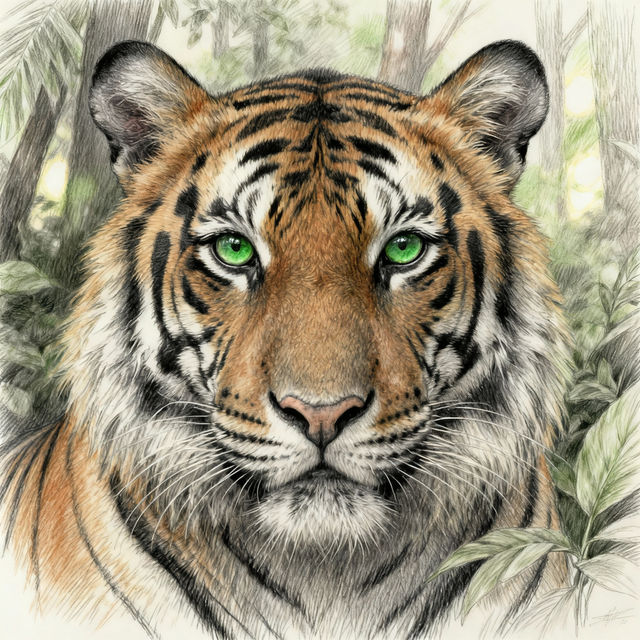
Realistic Tiger Drawings - AI Generated
Explore a gallery of incredibly realistic tiger drawings created with AI. Get inspired by these lifelike tiger artworks and generate your own unique tiger art with NightCafe.

Landscape Mountains Pictures
Explore breathtaking AI-generated landscape mountains pictures. Discover unique mountain landscape art and create your own stunning scenic views with NightCafe's AI.
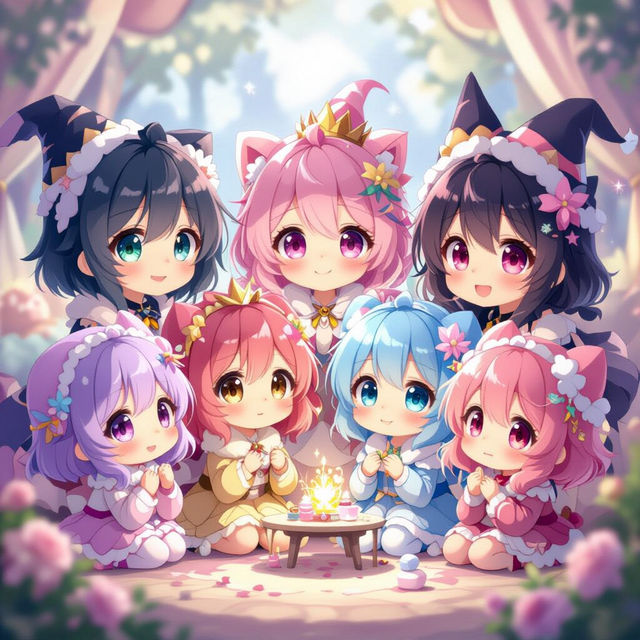
Cute Anime Drawings
Explore a vibrant gallery of cute anime drawings created with AI. Get inspired by unique styles and characters, and start creating your own adorable anime art today on NightCafe.

Potato Art - Creative Designs
Discover the whimsical world of potato art. Browse unique AI-generated potato designs and get inspired to create your own fun, quirky artwork.
Frequently Asked Questions
Your Questions About Becoming an Art Educator Answered
What are the essential qualifications to become an art educator?
Typically, becoming an art educator requires a bachelor's degree in fine arts, art education, or a related field. Many positions also require a teaching license or certification, which may involve completing a student teaching program and passing relevant exams. Specific requirements can vary by school district and state, so it's always best to check with local educational authorities.
What key skills are important for an art educator?
Beyond artistic talent, effective art educators need strong communication and interpersonal skills to connect with students of all ages. Essential pedagogical skills include curriculum development, classroom management, and the ability to provide constructive feedback. Creativity, patience, and adaptability are also crucial for fostering a dynamic learning environment.
How can AI tools like those on NightCafe assist in art education?
AI art generation tools can be invaluable for art educators. They can be used to generate unique visual prompts for lessons, inspire creative exploration, and even help students visualize complex concepts. AI can also assist in developing diverse examples of artistic styles and techniques, offering a broad spectrum of inspiration for both educators and students.
Can AI help me create lesson plans or teaching materials?
Absolutely. AI tools can help brainstorm lesson ideas, generate descriptive text for art projects, and create visual examples that align with your curriculum. You can use AI to explore different artistic styles or themes that you might want to introduce to your students, saving time and sparking new creative approaches to your teaching.