

- Galleries
- AI Art for Art Therapists
Art Therapists AI Tools
Discover how AI tools can assist art therapists in creating unique visual prompts and analyzing patient artwork. Explore innovative solutions for modern art therapy.

As seen in








AI Art for Art Therapists
A curated gallery showcasing AI-generated visuals specifically designed to inspire and aid art therapists in their sessions and creative processes.


Didn't find what you were looking for? Create your own below!
Create your own Art Therapists AI Tools images
Discover the magic of Text to Image AI by creating your own unique images. Edit the prompt below to customize your creation.
No payment or credit card required.

Innovative Tools For Practice
Explore AI-powered Art Therapy
Art Therapists can leverage cutting-edge AI to unlock new dimensions in patient care. Our gallery showcases how AI can assist in generating unique visual prompts, fostering deeper self-expression, and providing novel avenues for therapeutic exploration. Discover a partner in enhancing your art therapy practice.
Enhance Your Art Therapy Practice with AI
Step 1
Craft Your Therapeutic Prompt
Begin by entering a detailed description of the visual prompt you wish to create for your art therapy session. Consider the therapeutic goals, the client's needs, and the desired emotional tone. Be specific about colors, subjects, and moods to guide the AI effectively.
Step 2
Generate Your Visual Prompt
After refining your prompt, click the 'Generate' button. The AI will then process your input to create a unique and evocative visual prompt designed to facilitate self-expression and therapeutic exploration in your sessions.
Step 3
Utilize and Share Your Creation
Once your AI-generated prompt is ready, you can download it for immediate use in your sessions or share it with colleagues. Explore how this new visual aid can deepen engagement and open new pathways for client expression.

Spark Creativity Instantly
Generate AI Art Prompts For Art Therapy Sessions
Effortlessly Generate AI Art Prompts tailored for art therapy sessions. Our tools empower therapists to create diverse and engaging visual starting points, encouraging clients to explore emotions and narratives through art. These AI Art Prompts can transform standard sessions into dynamic, personalized creative experiences.
More Galleries
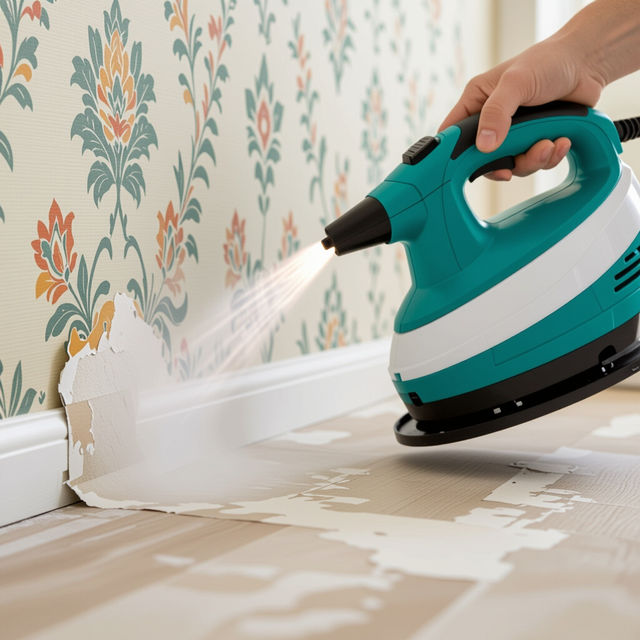
Wallpaper Remover Steamer
Discover effective wallpaper removal solutions using a wallpaper remover steamer. Browse tools and techniques to tackle tough wallpaper jobs with ease and achieve a clean finish.
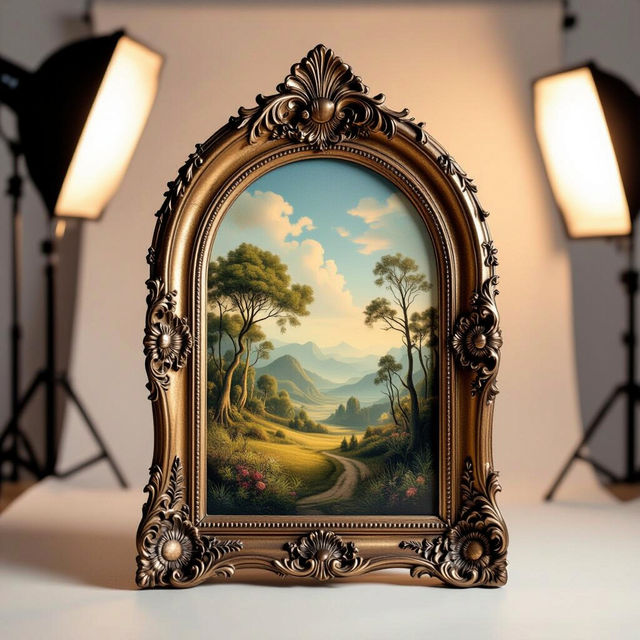
Arched Picture Frames - AI Generated
Explore a stunning gallery of AI-generated arched picture frames. Find inspiration for your next artwork or decor piece and create your own unique designs with our advanced AI tools.

Wisconsin Pictures
Discover unique Wisconsin pictures created with AI. Browse our gallery for inspiration or generate your own AI art showcasing the beauty of Wisconsin.

User Profile Pictures - Made With AI
Create unique user profile pictures with AI! Browse our gallery for inspiration and then design your own custom avatar. Stand out online with a personalized profile pic.
Frequently Asked Questions
Frequently Asked Questions About AI Tools for Art Therapists
How can AI art generation tools be used in art therapy sessions?
AI art generation tools can be used in several ways. Therapists can generate unique visual prompts tailored to specific client needs or therapeutic goals, encouraging deeper self-expression and narrative exploration. These AI-generated images can serve as starting points for discussion, interpretation, or as direct subjects for clients to respond to creatively.
Are these AI tools suitable for clients with limited artistic experience?
Absolutely. The AI tools are designed to democratize art creation. They provide accessible visual starting points that don't require traditional artistic skill, allowing clients to focus on the emotional and psychological aspects of expression rather than technical execution. This can be particularly beneficial for clients who may feel intimidated by traditional art-making.
Can AI help in analyzing patient artwork?
While AI tools primarily focus on generation and prompt creation, their output can indirectly aid in analysis. By generating a diverse range of symbolic or abstract imagery, therapists can observe client responses and interpretations, which can offer insights into their internal world. The focus remains on the client's interaction with the art, facilitated by AI-generated content.
What kind of prompts can be generated for art therapy?
You can generate a wide variety of prompts. These can range from abstract emotional concepts (e.g., 'calmness', 'anxiety') to more concrete scenarios (e.g., 'a safe place', 'overcoming a challenge'). The AI can create prompts in various styles and complexities, allowing therapists to customize the visual input to suit individual client needs and therapeutic objectives.