

- Galleries
- Axonometric Drawing Showcase
Axonometric Drawing - AI Generated
Discover the unique world of axonometric drawing with AI-generated art. Explore detailed isometric and dimetric perspectives for innovative designs and visualizations.

As seen in








Axonometric Drawing Showcase
A curated collection of AI-generated axonometric drawings, highlighting precision, depth, and creative perspectives in visual design.


Didn't find what you were looking for? Create your own below!
Create your own Axonometric Drawing - AI Generated images
Discover the magic of Text to Image AI by creating your own unique images. Edit the prompt below to customize your creation.
No payment or credit card required.

Innovative Visualizations Made Easy
Explore Axonometric Art And Designs
Dive into a realm of precision and creativity with our Axonometric Drawing Gallery. AI-generated art in this collection showcases intricate isometric and dimetric perspectives, perfect for conceptualizing complex designs, architectural mockups, and unique visualizations. Let our models bring your most detailed ideas to life with stunning clarity.
Create Your Axonometric Masterpiece
Step 1
Describe Your Vision
Begin by entering a detailed text prompt describing the scene or object you wish to create in an axonometric style. Be specific about elements, materials, and the overall composition. For example, try "A futuristic cityscape with towering skyscrapers, flying vehicles, and clean, geometric lines, rendered in a dimetric perspective."
Step 2
Generate Your Artwork
Once your prompt is ready, click the 'Generate' button. The AI will process your description and create a unique axonometric artwork based on your input. You can adjust parameters if available or regenerate if the first attempt isn't quite right.
Step 3
Download and Share
After the artwork is generated, you can download it in high resolution. Feel free to share your creation with others or use it as inspiration for your own projects!

Unlock New Perspectives
Generate Isometric Art And Axonometric Views
Our gallery specializes in generating stunning isometric art and precise axonometric views. Whether you're designing a product, illustrating a concept, or exploring architectural possibilities, our AI tools provide unique angles and detailed representations. Generate isometric art effortlessly and visualize your projects from every dimension.
More Galleries
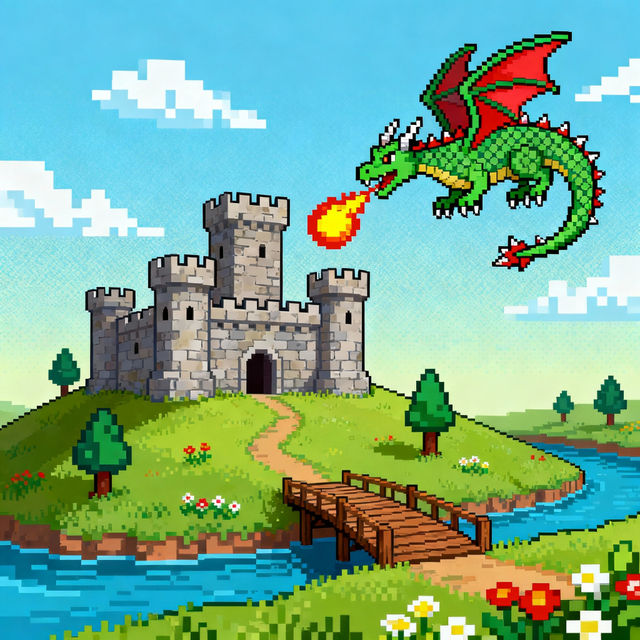
Pixel Art Drawings
Discover a vibrant gallery of AI-generated pixel art drawings. Perfect for inspiration, browse unique pixel art styles and then create your own nostalgic masterpieces.

Alien Drawings - Created With AI
Discover a universe of AI-generated alien drawings. Browse unique extraterrestrial designs and learn how to create your own captivating alien art with NightCafe.
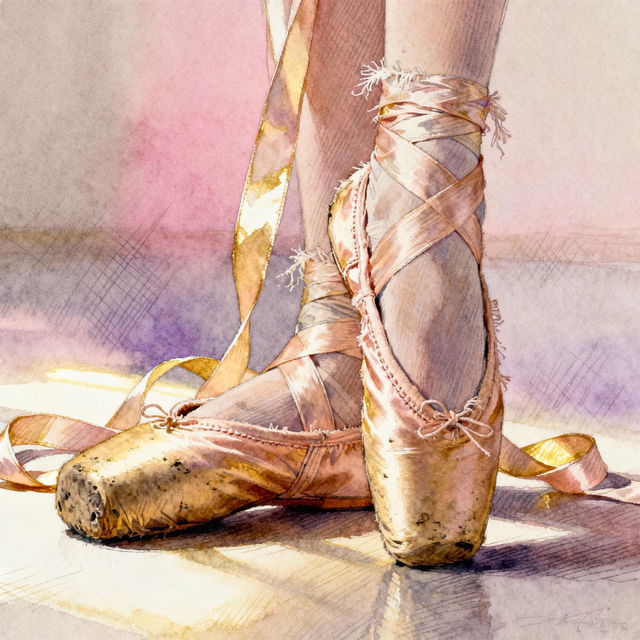
Pointe Shoes Drawings
Explore a captivating gallery of pointe shoes drawings created with AI. Get inspired by unique artistic interpretations and learn how to generate your own ballet-themed art.
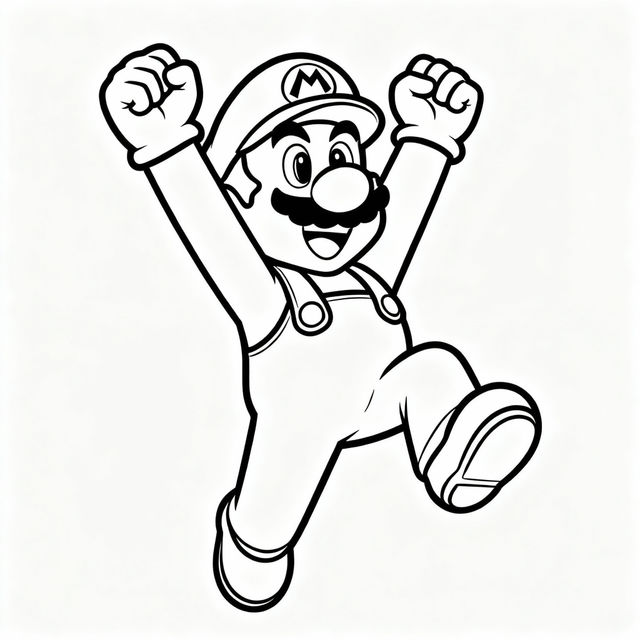
Mario Drawing Easy
Learn how to draw Mario the easy way! Explore simple Mario drawing tutorials and AI-generated art to spark your creativity. Start drawing your favorite Nintendo character today.
Frequently Asked Questions
Your Questions About Axonometric AI Art, Answered
What is axonometric drawing and how does AI generate it?
Axonometric drawing is a method of visual representation where an object is shown in a way that its dimensions can be measured directly from the drawing. It's known for its precise, three-dimensional appearance without the vanishing points used in perspective drawing. Our AI models are trained on vast datasets of images and artistic styles, allowing them to understand the principles of axonometric projection and generate unique artworks in isometric, dimetric, and trimetric perspectives based on your prompts.
What types of prompts work best for generating axonometric art?
To generate the best axonometric art, be specific about the subject matter, its key features, and the desired perspective (isometric or dimetric). Include details about the style, colors, and any specific elements you want to emphasize. For example, 'An isometric view of a futuristic cityscape with sleek, minimalist buildings, vibrant neon lights, and flying vehicles, detailed architectural style.'
Can I use these AI-generated axonometric drawings for my projects?
Yes, the AI-generated axonometric drawings in this gallery can be used for various projects, including conceptual design, architectural mockups, product visualization, and unique illustrations. Please refer to our Terms of Service for detailed information regarding usage rights and any attribution requirements.
How can axonometric drawings help with design and visualization?
Axonometric drawings offer a clear and precise way to represent three-dimensional objects and scenes. They are excellent for showing the overall form and spatial relationships without the distortion that can occur with perspective drawings. This makes them ideal for technical illustrations, architectural renderings, and visualizing complex systems or products from multiple angles with consistent scale.