

- Galleries
- AI-Generated Microscope Images
Compound Light Microscope Images
Discover stunning compound light microscope images created with AI. Explore the unseen details of cells, tissues, and organisms. Generate your own unique microscopic art.

As seen in








AI-Generated Microscope Images
A diverse collection of AI-generated images mimicking compound light microscope views, showcasing the beauty and complexity of the microscopic world.


Didn't find what you were looking for? Create your own below!
Create your own Compound Light Microscope Images images
Discover the magic of Text to Image AI by creating your own unique images. Edit the prompt below to customize your creation.
No payment or credit card required.

Discover Unseen Details
Explore Microscopic Worlds With AI
Dive into the intricate beauty of the microscopic realm. Our AI generates stunning compound light microscope images, revealing the complex structures of cells, tissues, and even tiny organisms in breathtaking detail. Explore a universe invisible to the naked eye and appreciate the artistry found in nature's smallest components.
Create Your Own Microscopic Masterpiece
Step 1
Describe Your Microscopic Vision
Begin by describing the microscopic scene you wish to create in the prompt box. Think about the type of cells, tissues, or organisms you want to visualize, and specify any particular colors, textures, or scientific phenomena you'd like the AI to incorporate. For example, try prompts like "vibrant human blood cells under a microscope" or "intricate structure of a plant leaf cell."
Step 2
Generate Your Microscopic Image
Once your prompt is ready, click the 'Generate' button. The AI will then process your description and create a unique, high-resolution image inspired by compound light microscopy.
Step 3
Download and Share Your Creation
After your image is generated, you can download it in your desired format or share it with the community. Showcase your unique scientific art and inspire others with the beauty of the microscopic world!

Create Your Own Art
Generate Microscopic AI Art With Nightcafe
Unleash your creativity and generate unique microscopic AI art with NightCafe. Whether you envision fantastical cellular landscapes or abstract interpretations of biological forms, our tools empower you to bring your visions to life. Start generating your own microscopic wonders today and transform scientific imagery into personalized masterpieces.
More Galleries

Happy Birthday Images For Your Friend
Looking for the perfect 'Happy Birthday To My Friend Images'? Browse our collection of unique AI-generated birthday art and create a special image to celebrate your friend's big day.
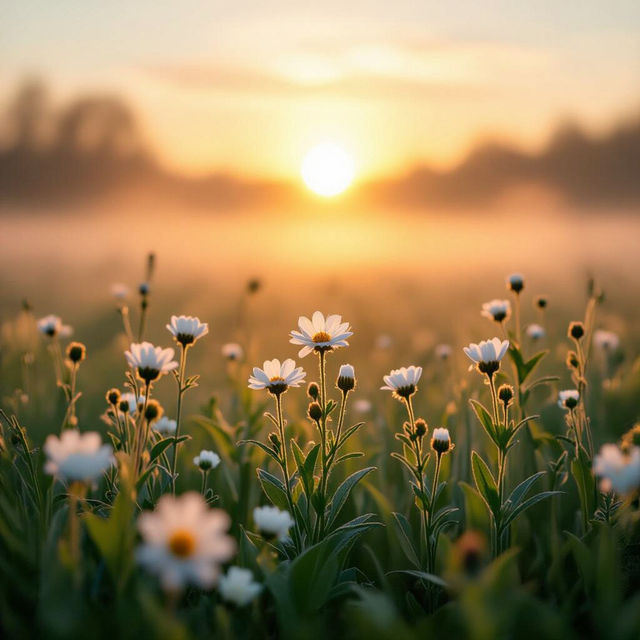
Blessed Monday Morning Images
Discover uplifting Blessed Monday Morning Images to brighten your start to the week. Generate your own inspiring visuals and share positive vibes with AI.
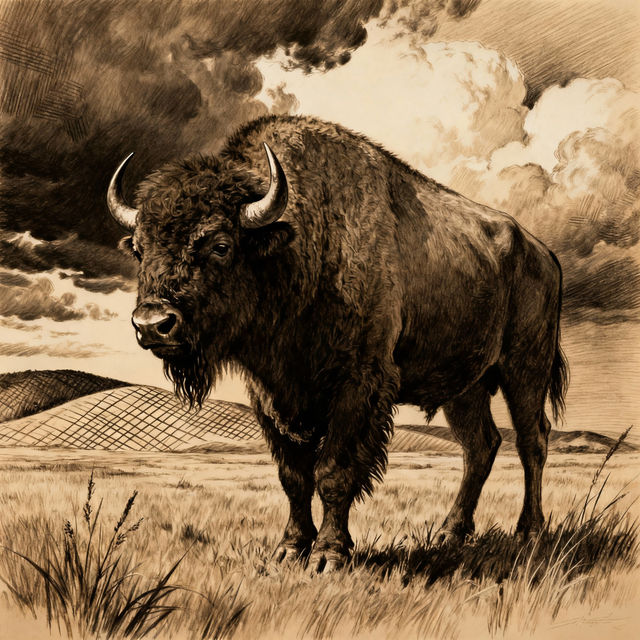
Bison Drawings - AI Generated Art
Discover intricate AI-generated bison drawings. Perfect for art enthusiasts and nature lovers, explore unique artistic interpretations of these majestic creatures.
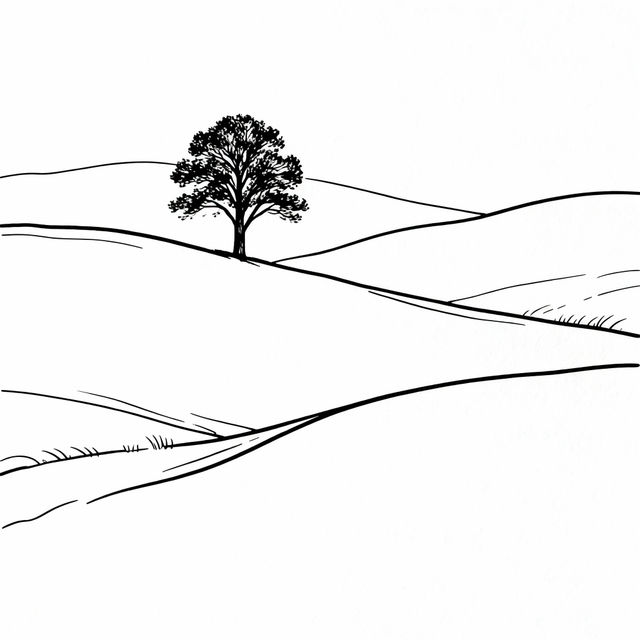
Contour Line Drawings - Made With AI
Discover the elegance of contour line drawings created by AI. Browse our gallery for inspiration and generate your own unique contour line art on NightCafe.
Frequently Asked Questions
Your Questions About AI-Generated Compound Light Microscope Images, Answered
How does the AI generate these compound light microscope images?
Our AI models are trained on vast datasets of real-world microscopic imagery. By understanding the patterns, structures, and visual characteristics of cells, tissues, and organisms under a compound light microscope, the AI can generate novel, detailed, and often artistically enhanced images based on your prompts.
What kind of prompts work best for creating microscopic AI art?
For the best results, be specific! Include the type of specimen you're interested in (e.g., 'human skin cells', 'plant root tip', 'pond water microorganisms'). You can also specify details like staining methods (e.g., 'Gram-stained bacteria', 'hematoxylin and eosin stained tissue'), magnification levels, and desired artistic styles (e.g., 'vibrant', 'ethereal', 'abstract').
Can I generate images of specific biological structures or conditions?
Yes, you can aim to generate images of specific biological structures or conditions by including them in your prompt. While the AI doesn't replicate exact scientific data, it can interpret prompts like 'mitochondria within a cell', 'bacterial colony', or 'cross-section of a leaf' to create visually compelling representations.
Are these AI-generated images scientifically accurate?
These images are artistically generated and inspired by real microscopic views. While they aim to capture the aesthetic and structural essence of microscopic subjects, they are not intended to be scientifically precise or a substitute for actual microscopy. Think of them as artistic interpretations of the microscopic world.