

- Galleries
- APA Image Citation Gallery
How To Cite An Image In APA Style
Learn how to cite an image in APA style with our comprehensive guide and examples. Ensure proper academic referencing for all your visual sources.

As seen in








APA Image Citation Gallery
Explore a collection of correctly formatted APA image citations, showcasing various sources and media types for academic integrity.


Didn't find what you were looking for? Create your own below!
Create your own How To Cite An Image In APA Style images
Discover the magic of Text to Image AI by creating your own unique images. Edit the prompt below to customize your creation.
No payment or credit card required.

Master Academic Referencing
Apa Image Citation Guide
Navigate the complexities of academic integrity with our detailed guide on how to cite an image in APA style. We provide clear examples and step-by-step instructions to ensure your visual sources are correctly attributed, helping you maintain scholarly standards and avoid plagiarism.
How to Cite an Image in APA Style
Step 1
Gather Citation Details
Begin by gathering all the necessary information for your citation. This includes the author/creator, the year of publication, the title of the image, and the source (e.g., website URL, book title, journal name). Accurate details are crucial for a correct APA citation.
Step 2
Format Your Citation
Construct your APA citation using the standard format: Author, A. A. (Year). *Title of image* (Description of form) [if applicable]. Source. For example: Smith, J. (2023). *Sunset over the ocean* [Photograph]. Unsplash. https://unsplash.com/photos/example
Step 3
Review and Finalize
Review your complete citation for accuracy and consistency with APA guidelines. Ensure all elements are present and correctly punctuated. You can then use this citation in your reference list or in-text to properly attribute the image.

Visualize Your Ideas Instantly
Create AI Images With Nightcafe
Explore the creative potential of our AI Image Generator to bring your concepts to life. Whether for academic projects or personal expression, learn how to create AI images with NightCafe that perfectly complement your work, offering unique and stunning visual assets.
More Galleries
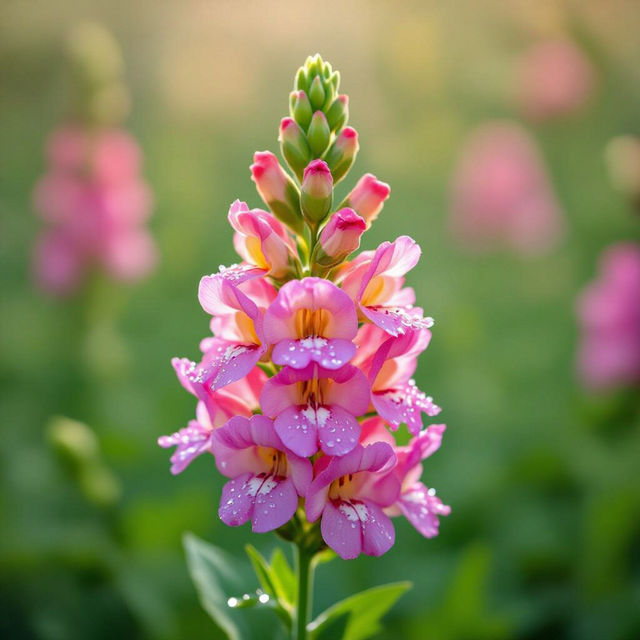
Snapdragon Flower Images
Explore a vibrant gallery of Snapdragon flower images. Get inspired by AI-generated floral art and create your own unique Snapdragon designs with NightCafe.

AI Image Of An Eye
Discover a fascinating gallery of AI-generated images of eyes. Explore diverse styles and perspectives, then create your own unique eye art with NightCafe's AI tools.

White Hello Kitty Wallpapers
Discover adorable white Hello Kitty wallpapers. Perfect for fans, these AI-generated designs offer a clean, cute aesthetic for your devices. Create your own unique Hello Kitty wallpaper today!
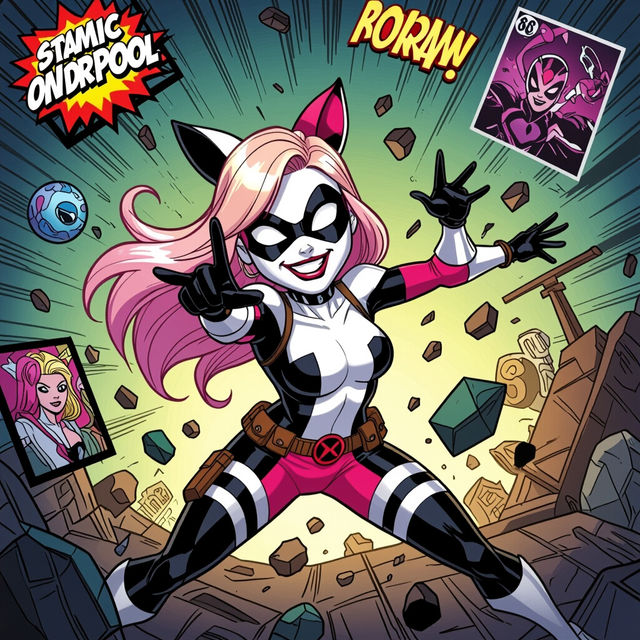
Fan Art Gwenpool
Discover a vibrant collection of Fan Art Gwenpool creations. Get inspired by these unique pieces and use NightCafe to generate your own Gwenpool fan art.
Frequently Asked Questions
Your Questions About Citing AI-Generated Images in APA Style, Answered
Why is it important to cite AI-generated images in APA style?
Citing AI-generated images in APA style is crucial for academic integrity. It gives credit to the creators of the AI model and the prompts used, acknowledges the source of the visual information, and helps readers locate the original image if needed. Proper citation avoids plagiarism and upholds scholarly standards.
What information do I need to cite an AI-generated image from NightCafe in APA style?
To cite an AI-generated image from NightCafe in APA style, you'll typically need the name of the AI model used (e.g., Stable Diffusion, DALL-E), the name of the platform (NightCafe), the date the image was created, and the specific prompt used to generate the image. You should also include a URL if the image is publicly accessible.
How do I format a citation for an AI-generated image in APA style?
The exact format can vary slightly depending on whether you are citing the image in a reference list or in-text. Generally, you would include the creator (AI model and NightCafe), year, title (if applicable, often the prompt itself), and source (URL). For example, in a reference list: NightCafe Creator. (2023). *A surreal landscape with floating islands* [AI-generated image]. Retrieved from [URL of the image or gallery].
Can I use AI-generated images from NightCafe in my academic work?
Yes, you can use AI-generated images from NightCafe in your academic work, provided you cite them correctly according to APA style guidelines. Always check your institution's specific policies on the use of AI-generated content in academic submissions.
Where can I find the prompt and creation date for an image I generated on NightCafe?
When you create an image on NightCafe, the platform usually stores the prompt and creation details associated with that specific image. You can typically find this information within your account's creation history or on the image's display page, often alongside options to view, download, or share the artwork.