

- Galleries
- Kindergarten Art Creations
Kindergarten Art Lessons - Made With AI
Explore vibrant AI-generated examples for kindergarten art lessons. Spark creativity and find inspiration for engaging, educational art activities for young children.

As seen in








Kindergarten Art Creations
A gallery showcasing diverse and imaginative AI-generated art projects suitable for kindergarten art lessons, inspiring young learners and educators.


Didn't find what you were looking for? Create your own below!
Create your own Kindergarten Art Lessons - Made With AI images
Discover the magic of Text to Image AI by creating your own unique images. Edit the prompt below to customize your creation.
No payment or credit card required.

Spark Young Imaginations
Creative Art Ideas For Kindergarteners
Discover a treasure trove of imaginative art ideas perfect for kindergarteners. Our AI generates unique and engaging concepts for lessons, encouraging little ones to explore colors, shapes, and textures. These examples serve as a fantastic starting point for hands-on Kindergarten Art Lessons that foster creativity and fine motor skills.
Create Your Own Kindergarten Masterpiece
Step 1
Describe Your Art Idea
Begin by describing the art you envision for your kindergarten lesson. Think about simple shapes, bright colors, and common objects that young children recognize. For instance, try prompts like 'A smiling sun with rainbow rays' or 'A playful cat with big, round eyes.' The more specific you are, the better the AI can capture your idea!
Step 2
Generate Your Artwork
Once you've entered your prompt, click the 'Generate' button. Our AI will then work its magic, creating a unique visual example based on your description. Watch as your idea comes to life!
Step 3
Download and Share
After your artwork is generated, you can download it to use as a visual aid for your lesson. Feel free to share your creation with others to inspire more kindergarten art adventures!

Inspire Little Artists
AI-generated Children's Art Projects For Young Learners
Dive into a gallery of stunning AI-Generated Children's Art Projects designed for young learners. These examples showcase diverse themes and techniques, perfect for creating inspiring art activities. From playful collages to imaginative paintings, find endless inspiration for Children's Art Projects that make learning fun and visually stimulating.
More Galleries

Slotin Folk Art Gallery
Discover the vibrant world of Slotin Folk Art. Browse unique pieces and get inspired to create your own distinctive folk art with AI on NightCafe.

Rainbow Pictures - Made With AI
Explore a vibrant gallery of AI-generated rainbow pictures. Get inspired by the beauty of rainbows and learn how to create your own stunning rainbow images with NightCafe.
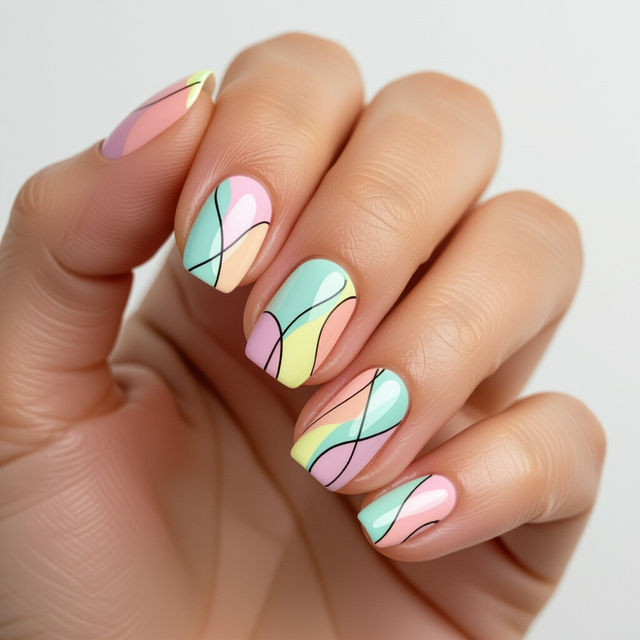
Simple Nail Art Designs
Explore a gallery of simple nail art designs perfect for any occasion. Get inspired by easy patterns and create your own unique manicures with AI.
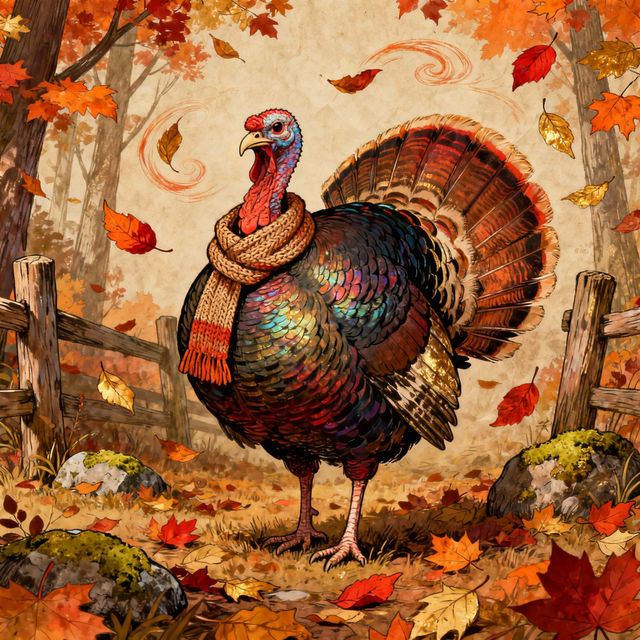
Drawings Of Turkeys
Explore a unique collection of AI-generated drawings of turkeys. Get inspired by these artistic creations and easily generate your own turkey drawings with NightCafe.
Frequently Asked Questions
Your Questions About Kindergarten AI Art Lessons Answered
How can these AI-generated examples be used in a real kindergarten classroom?
These AI-generated examples are designed to be a springboard for creativity. Teachers can use them to introduce new concepts, inspire students to draw or paint their own versions, or as a basis for hands-on craft activities like collage, sculpture, or mixed media projects. They are perfect for sparking imagination and discussing colors, shapes, and themes.
Are these art examples suitable for very young children, considering potential complexities?
The examples in this gallery are curated to showcase vibrant and engaging themes that appeal to young children. While the AI generates the initial concept, the actual art activities inspired by them can be simplified or adapted to suit the fine motor skills and cognitive abilities of kindergarteners. Focus on the core idea and adjust the complexity of the materials and techniques used.
Can I modify or adapt the AI-generated ideas to fit specific lesson plans or themes?
Absolutely! These AI examples are meant to be inspirational. Feel free to adapt, combine, or modify the themes, colors, and styles to perfectly align with your curriculum, specific lesson objectives, or the interests of your students. The goal is to foster creativity, so personalization is encouraged.
How do these AI examples help in developing fine motor skills for kindergarteners?
While the AI generates the visual concept, the process of translating these ideas into physical art activities is where fine motor skills are developed. Tasks like cutting, gluing, drawing, painting, molding clay, or even manipulating small collage elements all contribute to strengthening hand-eye coordination and dexterity in young learners.