

- Galleries
- Rotator Cuff Medical Art Gallery
Rotator Cuff Images - AI Generated
Discover detailed AI-generated rotator cuff images for educational and illustrative purposes. Visualize anatomy and injuries with stunning clarity. Create your own medical art on NightCafe.

As seen in








Rotator Cuff Medical Art Gallery
A curated collection of AI-generated rotator cuff images, perfect for medical education, presentations, and understanding shoulder anatomy and injuries.


Didn't find what you were looking for? Create your own below!
Create your own Rotator Cuff Images - AI Generated images
Discover the magic of Text to Image AI by creating your own unique images. Edit the prompt below to customize your creation.
No payment or credit card required.

Visualize Complex Anatomy
Explore AI-generated Rotator Cuff Medical Illustrations
Dive into a collection of highly detailed Rotator Cuff Images, expertly crafted by AI. These illustrations offer unparalleled clarity for understanding the intricate structures and potential pathologies of the shoulder joint. Perfect for medical professionals, students, and educators seeking precise visual aids.
Create Your Rotator Cuff Illustrations
Step 1
Describe Your Medical Illustration Needs
Begin by entering a detailed prompt describing the specific rotator cuff anatomy or injury you wish to visualize. Include terms related to the shoulder joint, specific tendons (supraspinatus, infraspinatus, teres minor, subscapularis), or types of injuries (tears, tendinitis, impingement). The more precise your description, the more accurate the AI's generation will be.
Step 2
Generate Your Rotator Cuff Image
After crafting your prompt, click the "Generate" button. The AI will process your request and create a unique, detailed medical illustration of the rotator cuff based on your specifications. You can also adjust advanced settings for finer control over the output.
Step 3
Download or Share Your Medical Art
Once your illustration is complete, you have the option to download it in high resolution for your projects. You can also share your creation with the NightCafe community, inspiring others and receiving valuable feedback.

Custom Medical Visuals
Generate Shoulder Anatomy Illustrations With AI
Effortlessly Generate Shoulder Anatomy Illustrations with AI. Our platform empowers you to create custom visuals, perfect for presentations, research papers, or patient education. Explore the nuances of shoulder anatomy with stunning detail and accuracy, tailored to your specific needs.
More Galleries

Daily Humor Funny Pictures
Need a daily dose of laughter? Browse our collection of Daily Humor Funny Pictures, generated by AI. Find your next laugh and create your own humorous images with NightCafe.

Procreate Sketch Brushes
Explore unique Procreate sketch brushes and see how AI can generate incredible artwork. Get inspired by diverse styles and create your own masterpieces with our AI tools.
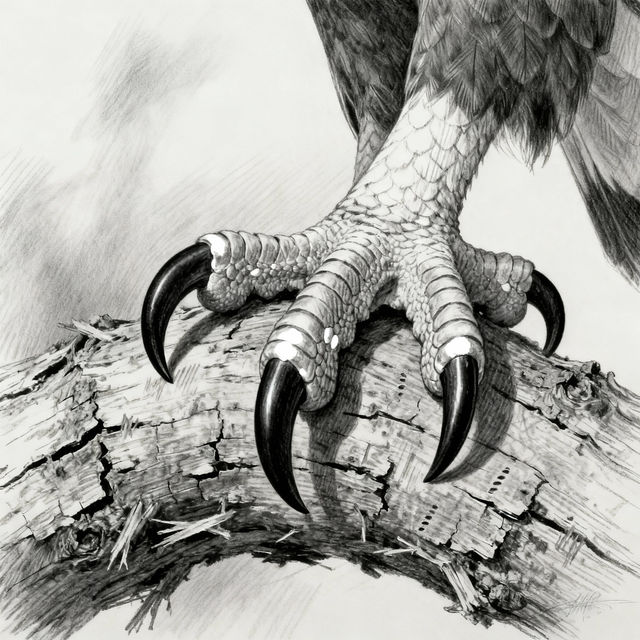
Claws Drawing - AI Generated Art
Discover a gallery of AI-generated claws drawings, perfect for artists and fantasy enthusiasts. Get inspired by detailed and creative depictions of claws, or create your own.
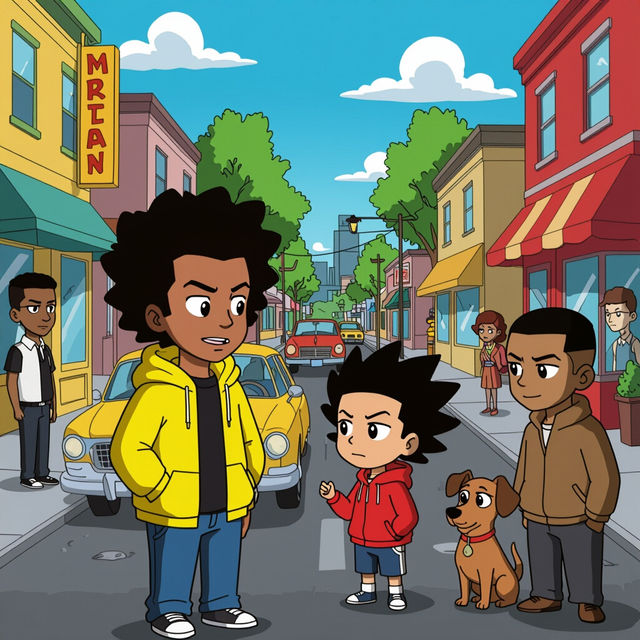
Boondocks Art - Generated by AI
Discover vibrant Boondocks art created with AI. Browse unique styles and characters inspired by the beloved show. Generate your own Boondocks-style art easily on NightCafe.
Frequently Asked Questions
Frequently Asked Questions About AI-Generated Rotator Cuff Images
What are these rotator cuff images used for?
These AI-generated rotator cuff images are designed for educational and illustrative purposes. They are ideal for medical professionals, students, educators, and researchers who need clear, detailed visuals to understand shoulder anatomy, common injuries, and pathologies. They can be used in presentations, research papers, patient education materials, and other academic or professional contexts.
How accurate are these AI-generated medical illustrations?
Our AI models are trained on vast datasets of anatomical information to produce highly detailed and accurate representations. While these illustrations are excellent for visualization and education, they should be used as supplementary tools and not as a substitute for professional medical diagnosis or consultation. For critical applications, always cross-reference with established medical resources.
Can I create my own custom rotator cuff or shoulder anatomy illustrations?
Yes! NightCafe's platform empowers you to generate your own custom medical art. You can experiment with different prompts and AI models to create specific views of shoulder anatomy, depict particular rotator cuff injuries, or illustrate complex concepts tailored to your exact needs for presentations, research, or patient education.
Are these images suitable for patient education materials?
Absolutely. The clarity and detail of these AI-generated images make them excellent for explaining complex anatomical structures and potential injuries to patients. Visual aids can significantly improve patient understanding and engagement regarding their conditions and treatment options.