

- Galleries
- AI Art Texture Gallery
Texture Meaning in Art
Discover the profound texture meaning in art. Browse AI-generated examples showcasing how texture impacts visual art and evokes emotion. Create your own textured art.

As seen in








AI Art Texture Gallery
A curated collection of AI-generated artworks exploring the diverse meanings and visual impact of texture in art, inspiring new creative interpretations.


Didn't find what you were looking for? Create your own below!
Create your own Texture Meaning in Art images
Discover the magic of Text to Image AI by creating your own unique images. Edit the prompt below to customize your creation.
No payment or credit card required.

Visual Depth And Emotion
Explore The Meaning Of Texture In Art
Dive into the rich world of tactile art where texture conveys deep meaning. Our AI-generated examples demonstrate how surfaces, from rough impasto to smooth gradients, evoke specific emotions and tell compelling visual stories. Explore the Texture Meaning In Art and understand its power.
Create Your Textured Masterpiece
Step 1
Describe Your Desired Texture
Begin by describing the texture you envision for your artwork in the prompt box. Think about the tactile qualities you want to convey – is it rough, smooth, gritty, or perhaps something more abstract? Include details about the subject matter and the overall mood you aim to achieve.
Step 2
Generate Your Textured Art
After crafting your prompt, click the 'Generate' button. Our AI will interpret your description and begin creating unique art pieces that emphasize the texture you've requested.
Step 3
Download or Share Your Creation
Once your textured artwork is ready, you can download it in high resolution or share it with the community. Get inspired by others and share your own textured creations!

Create Tactile Masterpieces
Generate AI Art Texture With Nightcafe
Unleash your creativity with NightCafe's advanced AI models to Generate AI Art Texture. Experiment with unique surfaces and visual effects, bringing a tangible quality to your digital creations. Whether you seek gritty realism or ethereal smoothness, our tools empower you to craft stunning, textured art.
More Galleries

Wood Duck Images - Created With AI
Explore a breathtaking collection of AI-generated Wood Duck images. Discover vibrant waterfowl art and create your own unique wood duck scenes with NightCafe.

Pictures of Nurses - Created with AI
Explore a diverse collection of AI-generated pictures of nurses. Get inspired by unique artistic interpretations and create your own professional portraits with NightCafe.
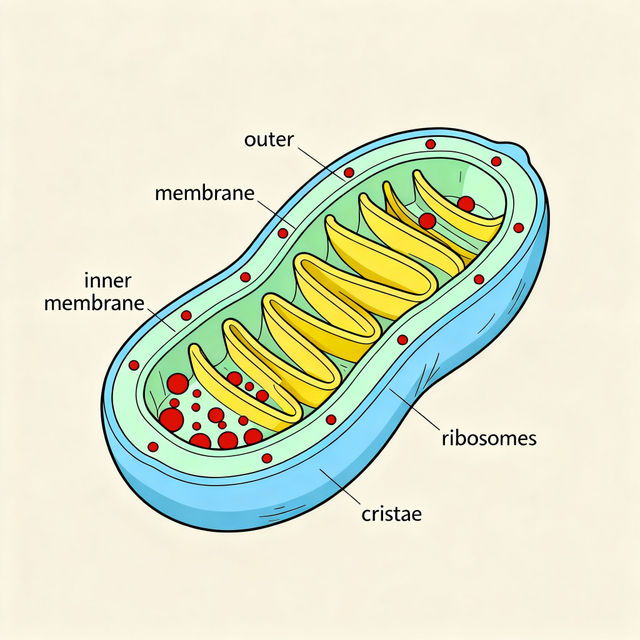
Drawing Mitochondria
Explore a gallery of detailed mitochondria drawings created by AI. Get inspired by cellular art and learn how to generate your own unique scientific illustrations.
AI Clip Art
Explore a diverse collection of AI-generated clip art, perfect for adding a unique touch to your projects. Discover endless creative possibilities for your designs.
Frequently Asked Questions
Learn More About Texture Meaning in AI Art
What is texture in AI art, and how does it convey meaning?
Texture in AI art refers to the visual or implied tactile quality of a surface within an image. It can be rendered to look rough, smooth, bumpy, or soft, and this visual representation can evoke specific emotions or feelings, much like real-world textures. For example, a rough, jagged texture might suggest anger or decay, while a smooth, flowing texture could convey peace or elegance.
How can I create AI art with specific textures using NightCafe?
NightCafe offers various AI models and tools that allow you to experiment with texture. You can achieve different textural effects by carefully crafting your text prompts. Use descriptive words related to surfaces (e.g., 'gritty,' 'velvety,' 'metallic,' 'frosted glass,' 'impasto,' 'smooth gradient') and specify artistic styles that emphasize texture (e.g., 'thick brushstrokes,' 'relief sculpture,' 'etching'). Experimenting with different models and parameters will also yield varied textural outcomes.
Can AI generate art that looks like it has a physical texture?
Yes, AI art generators like those on NightCafe can create highly realistic visual textures. By understanding how light interacts with different surfaces and using sophisticated algorithms, the AI can simulate the appearance of physical textures, making them appear as if they have depth, roughness, or smoothness. This allows for the creation of digital art that has a tangible, almost touchable quality.
What kind of emotions or meanings can texture evoke in AI art?
Texture can evoke a wide range of emotions and meanings. Rough textures might convey a sense of struggle, age, or the raw elements of nature. Smooth textures can suggest serenity, luxury, or modernity. Glossy textures might imply artificiality or high polish, while matte finishes could suggest subtlety or natural materials. The interplay of light and shadow on a textured surface also plays a significant role in shaping the viewer's emotional response and interpretation.