

- Galleries
- AI Art Balance Gallery
Types of Balance in Art - AI Generated Examples
Discover the various types of balance in art, from symmetrical to asymmetrical and radial. See AI-generated examples and learn how to create your own balanced compositions.

As seen in








AI Art Balance Gallery
A curated collection of AI-generated artworks demonstrating diverse types of balance, offering visual harmony and inspiration for artists and art enthusiasts.


Didn't find what you were looking for? Create your own below!
Create your own Types of Balance in Art - AI Generated Examples images
Discover the magic of Text to Image AI by creating your own unique images. Edit the prompt below to customize your creation.
No payment or credit card required.

Visualize Artistic Harmony
Explore Different Types Of Art Balance
Dive into the world of visual equilibrium with our AI-powered gallery. Explore diverse examples showcasing various types of balance in art, from the perfect mirror image of symmetry to the dynamic tension of asymmetry. Understand how these principles create compelling and harmonious compositions.
Create Your Balanced Art Masterpiece
Step 1
Describe Your Balanced Composition
Start by describing the type of balance you want to explore in your artwork. For example, you could type "symmetrical balance with flowers and butterflies," "asymmetrical balance with a lone tree on a hill," or "radial balance with a swirling galaxy." Be specific about the elements and the desired mood to guide the AI.
Step 2
Generate Your Art
After entering your prompt, click the "Generate" button. The AI will process your request and create a unique image demonstrating the type of balance you described. Watch as the AI brings your vision to life!
Step 3
Download and Share Your Creation
Once your balanced artwork is generated, you can download it in high resolution to use in your projects. Feel free to share your creation with the community and inspire others with your understanding of art balance!

Achieve Perfect Visual Flow
Master Art Composition Balance With AI Image Generation
Elevate your artistic skills by understanding and implementing art composition balance. Our AI tools provide stunning visuals that demonstrate how to achieve masterful balance, guiding you to create impactful and aesthetically pleasing artworks. Learn to control the visual weight and energy within your creations.
More Galleries
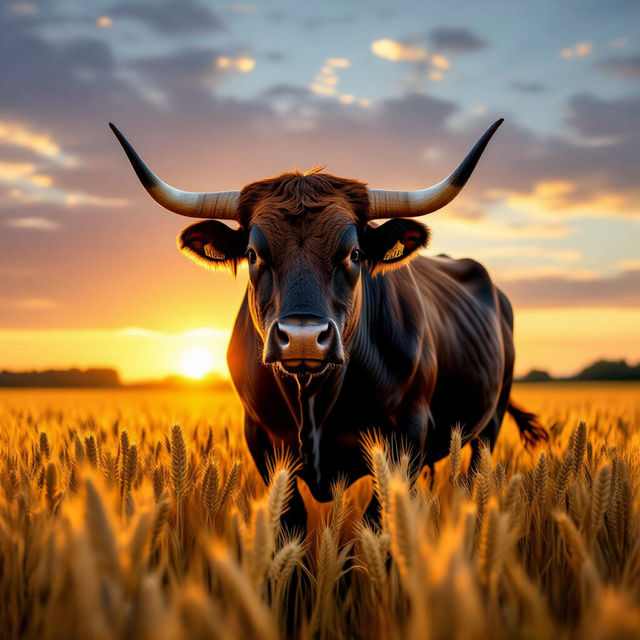
Picture Of A Bull
Discover a captivating collection of AI-generated pictures of bulls. Perfect for art, design, or inspiration, explore powerful imagery and create your own bull art.
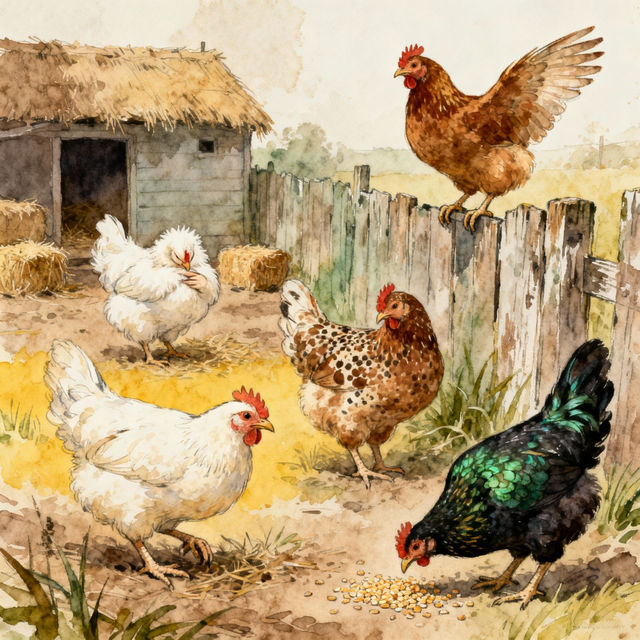
AI Generated Chicken Drawings
Discover a charming collection of AI-generated chicken drawings. Perfect for art lovers and farmers alike, explore unique styles and create your own farmyard masterpieces.

Nashville Images
Discover unique Nashville images created by AI. Explore Music City's charm and iconic landmarks, then generate your own vibrant AI art inspired by Nashville.
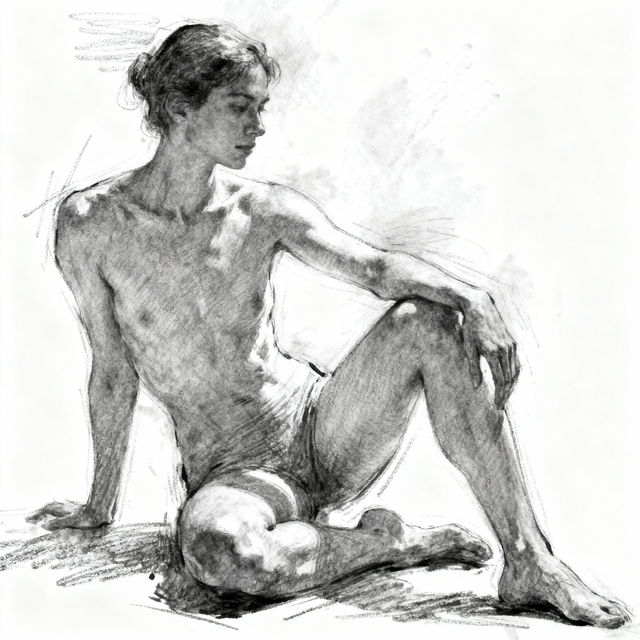
Sitting On Knees Pose Drawing
Explore a unique collection of AI-generated drawings featuring the sitting on knees pose. Find inspiration for your art or create your own dynamic poses with NightCafe.
Frequently Asked Questions
Your Questions About Art Balance, Answered
What are the main types of balance in art, and how does the AI demonstrate them?
This gallery showcases key types of balance: Symmetrical balance (where elements are mirrored), Asymmetrical balance (where elements have different visual weight but are still balanced), and Radial balance (where elements radiate from a central point). Our AI creations visually represent these principles, making it easier to understand how they are applied in composition.
How can understanding art balance help me as an artist?
Understanding art balance is fundamental to creating visually appealing and stable compositions. It helps you guide the viewer's eye, evoke specific emotions, and create a sense of harmony or dynamic tension. By studying these AI-generated examples, you can learn to intentionally apply balance to your own artwork for greater impact.
Can I use the AI to generate my own examples of specific types of balance?
Absolutely! You can use NightCafe's AI art generation tools to create your own examples. Try prompting with terms like 'symmetrical portrait,' 'asymmetrical landscape,' or 'radial pattern' to see how the AI interprets and generates different types of balance. Experiment with descriptive words for mood, style, and subject matter to achieve unique results.
What is 'visual weight' in art, and how does it relate to balance?
Visual weight refers to the perceived 'heaviness' of an element within an artwork. Factors like size, color, texture, and complexity contribute to an element's visual weight. Balance is achieved when these visual weights are distributed in a way that creates equilibrium, whether that's through mirroring (symmetrical) or counterbalancing (asymmetrical).