
Cyanotopia
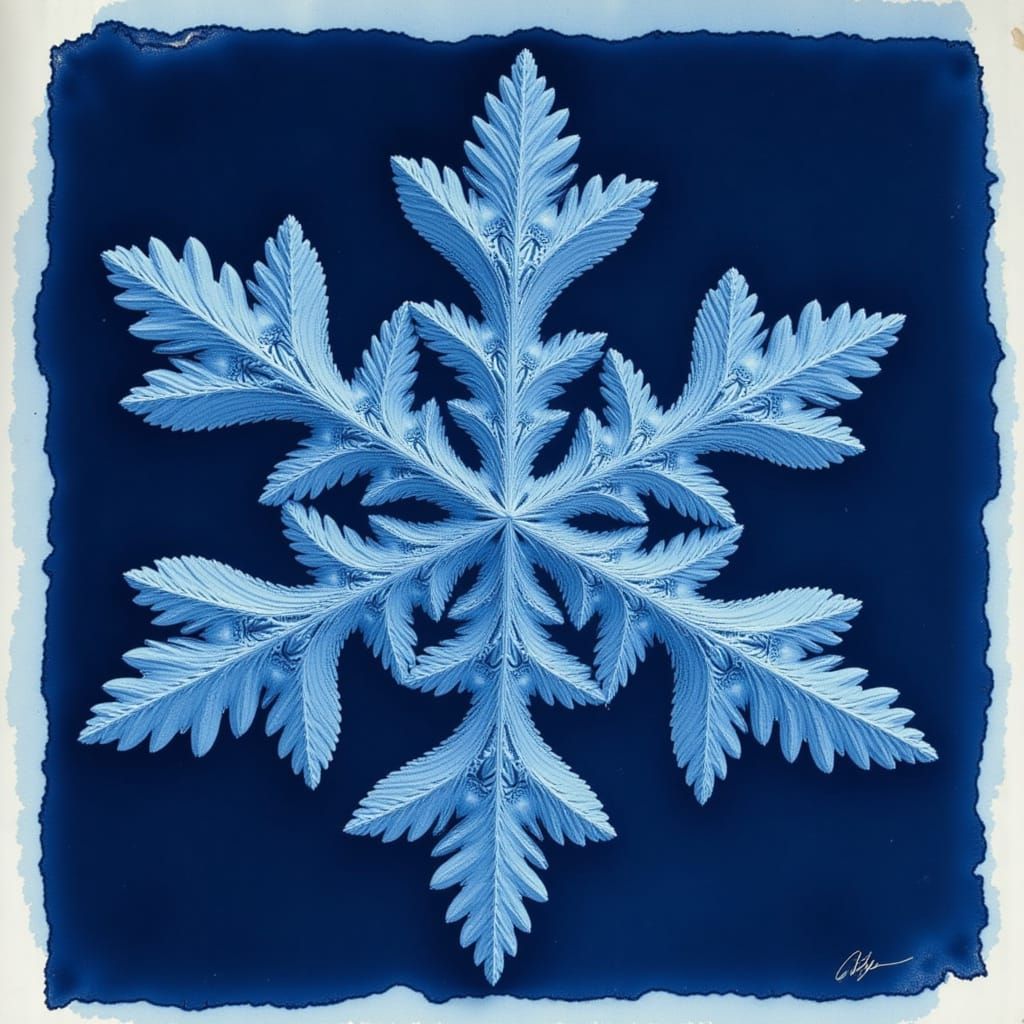
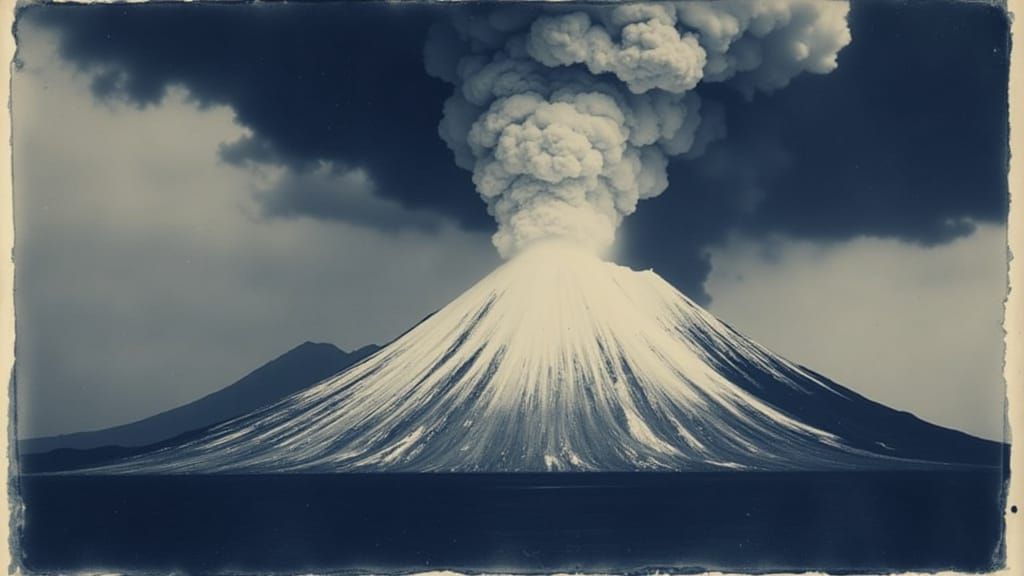
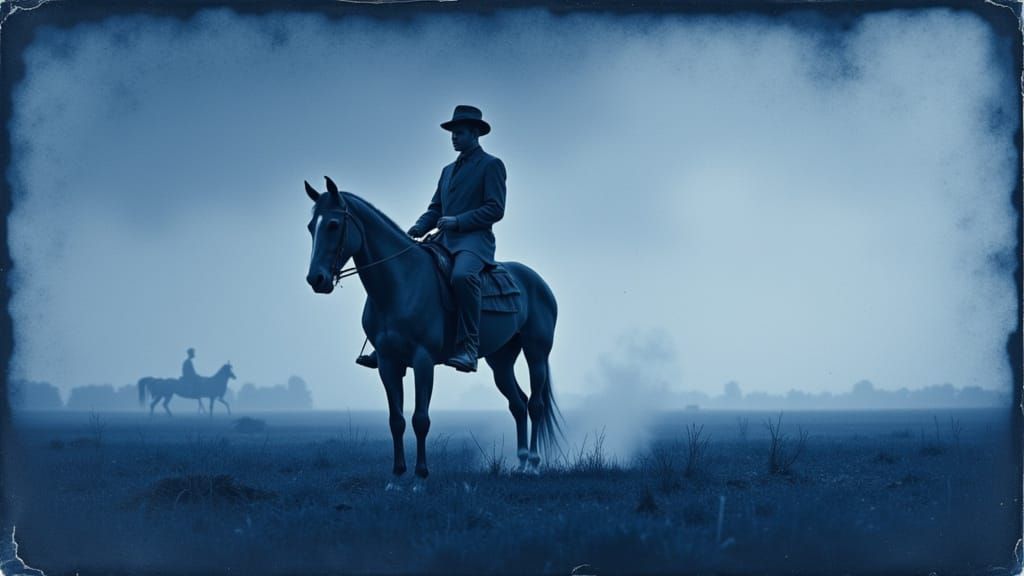
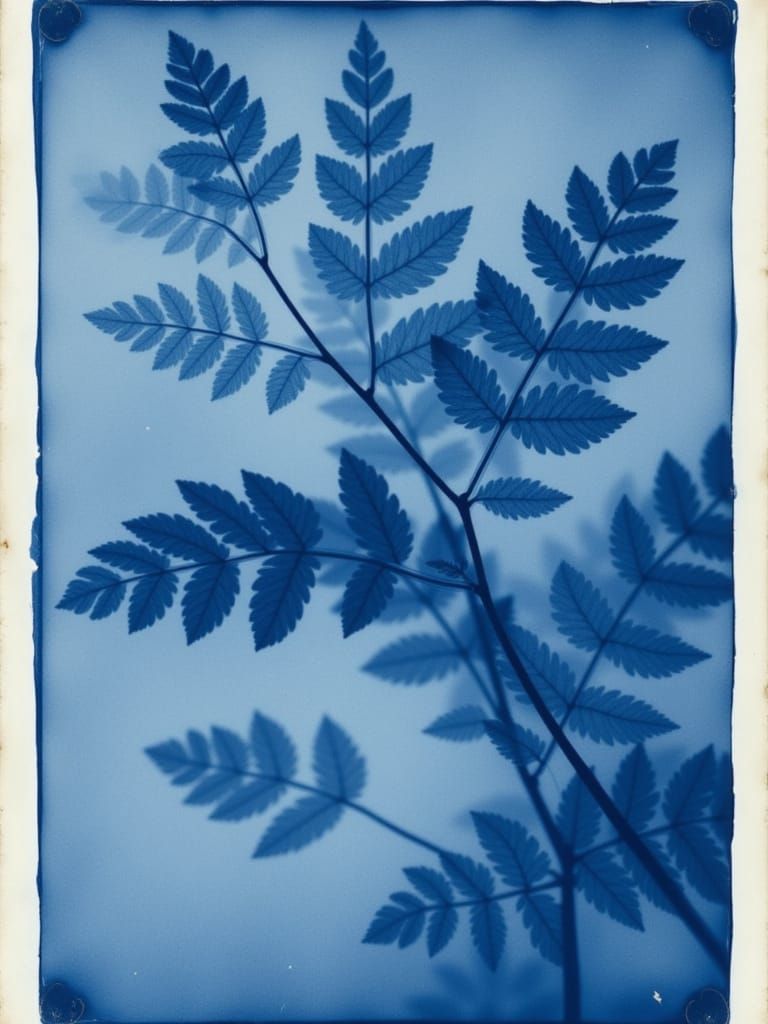
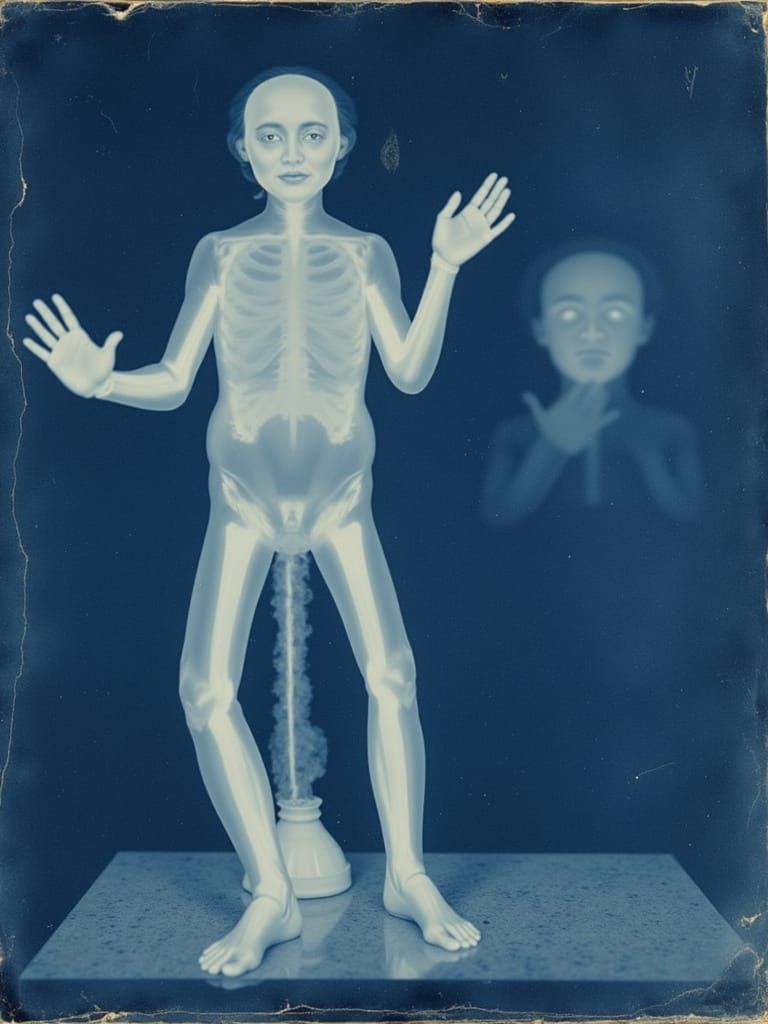
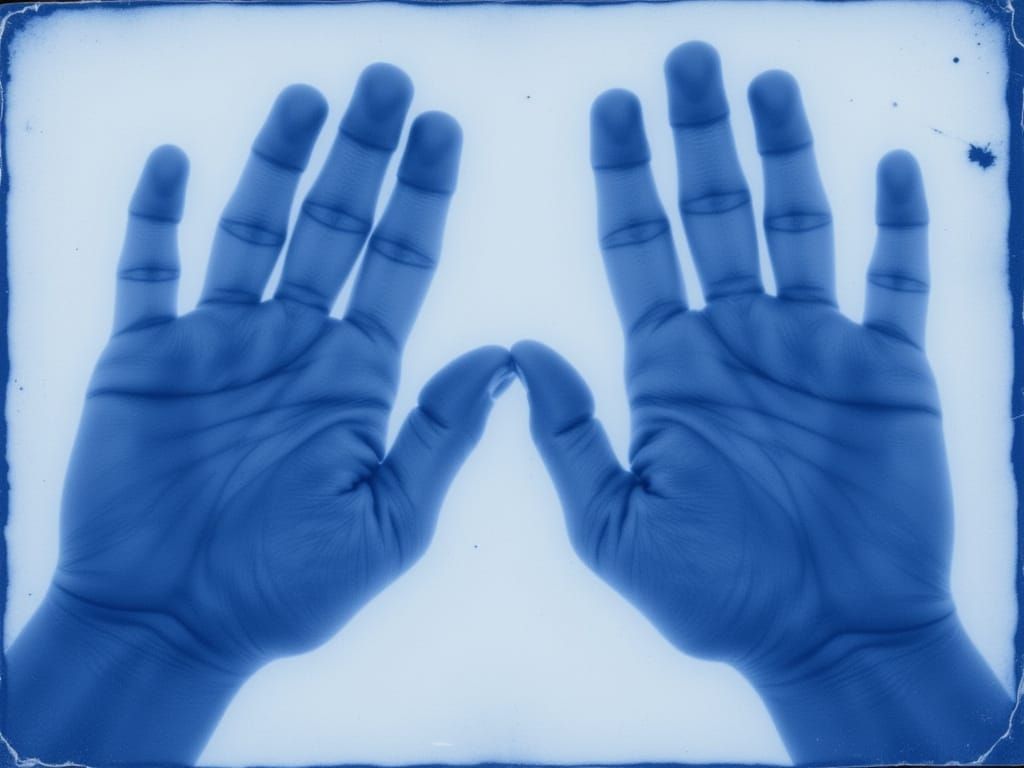
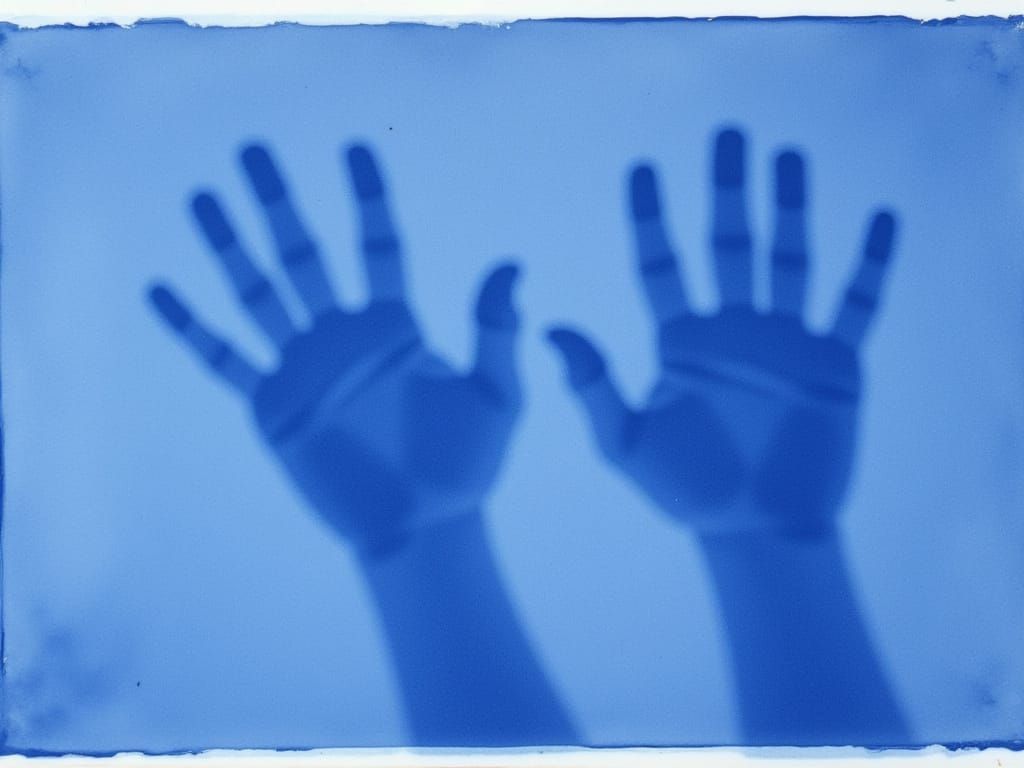
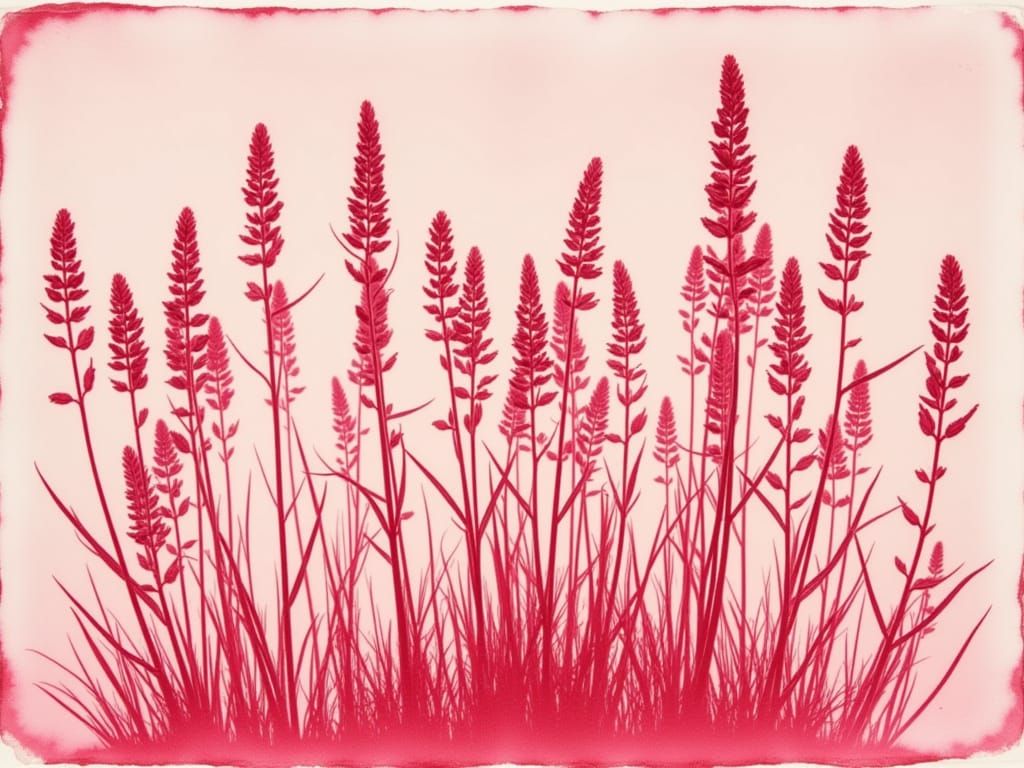
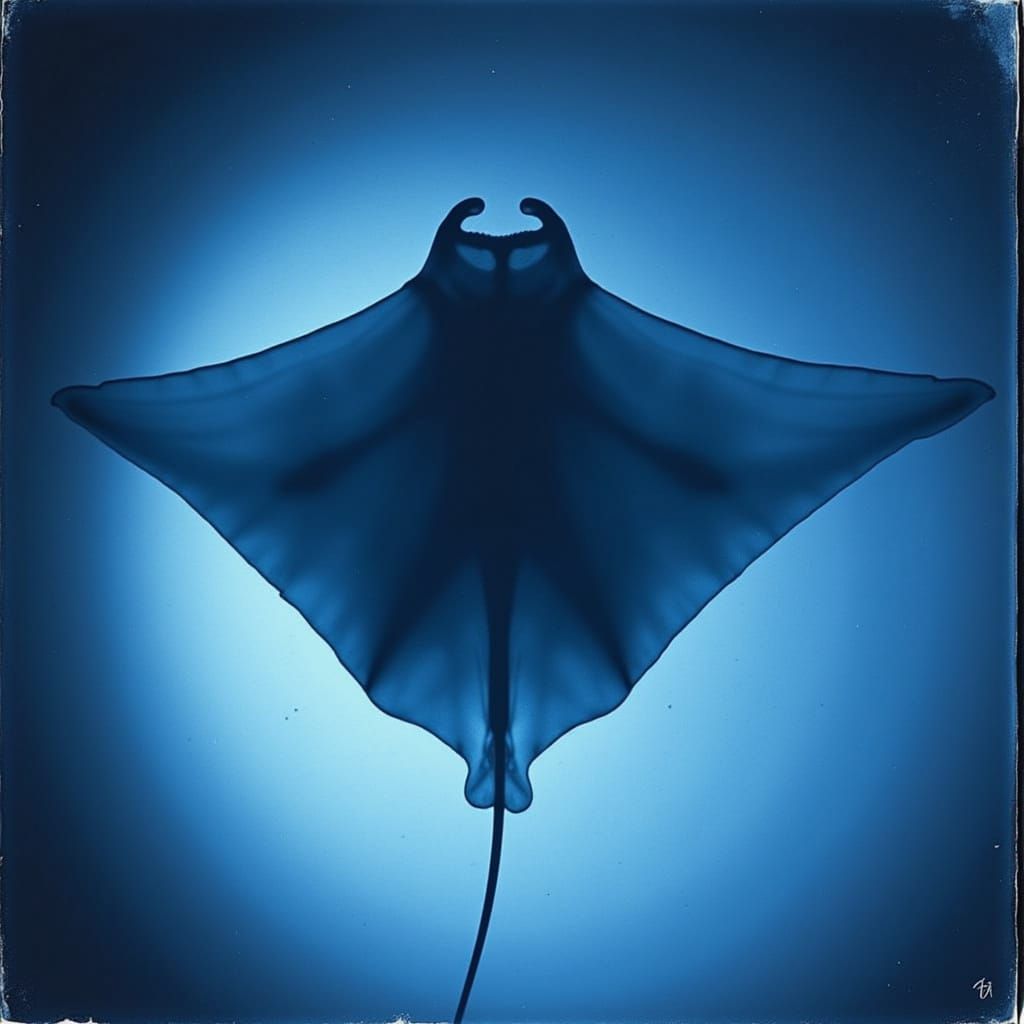
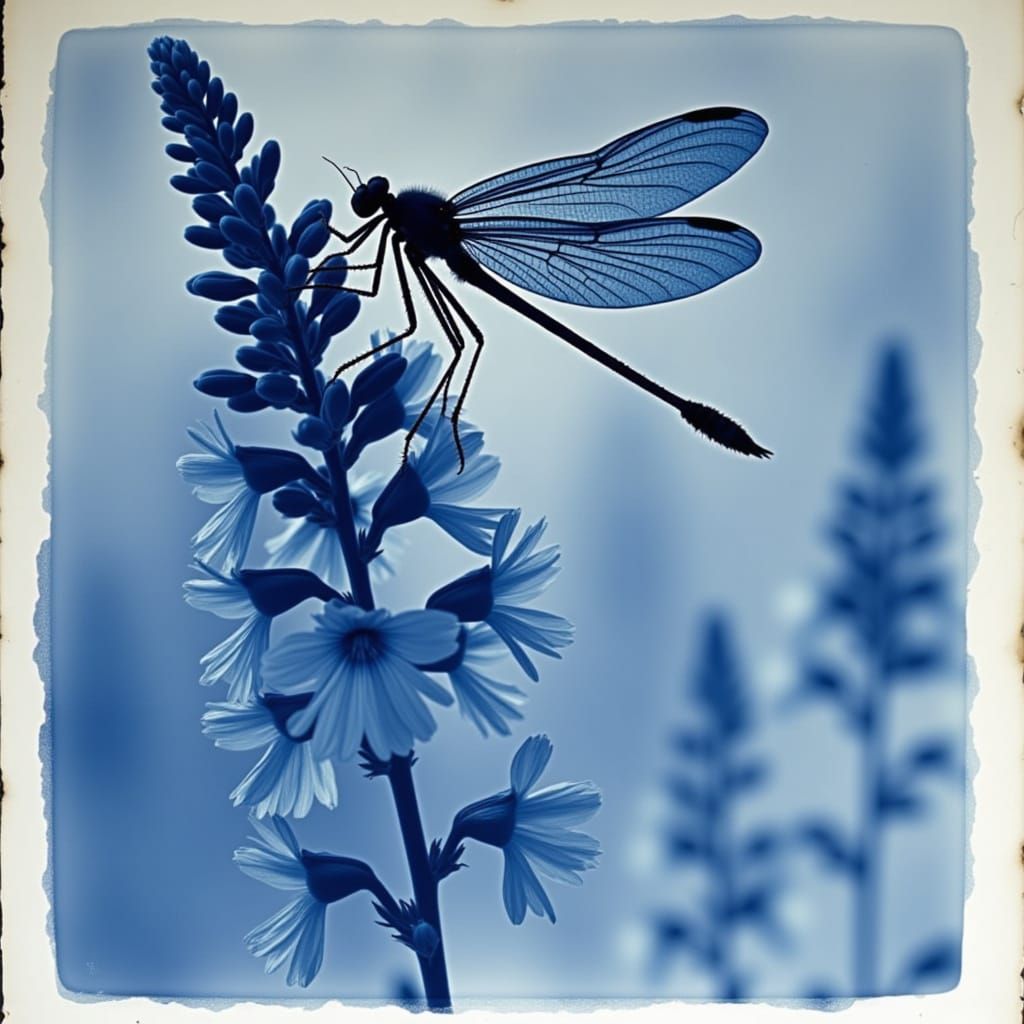
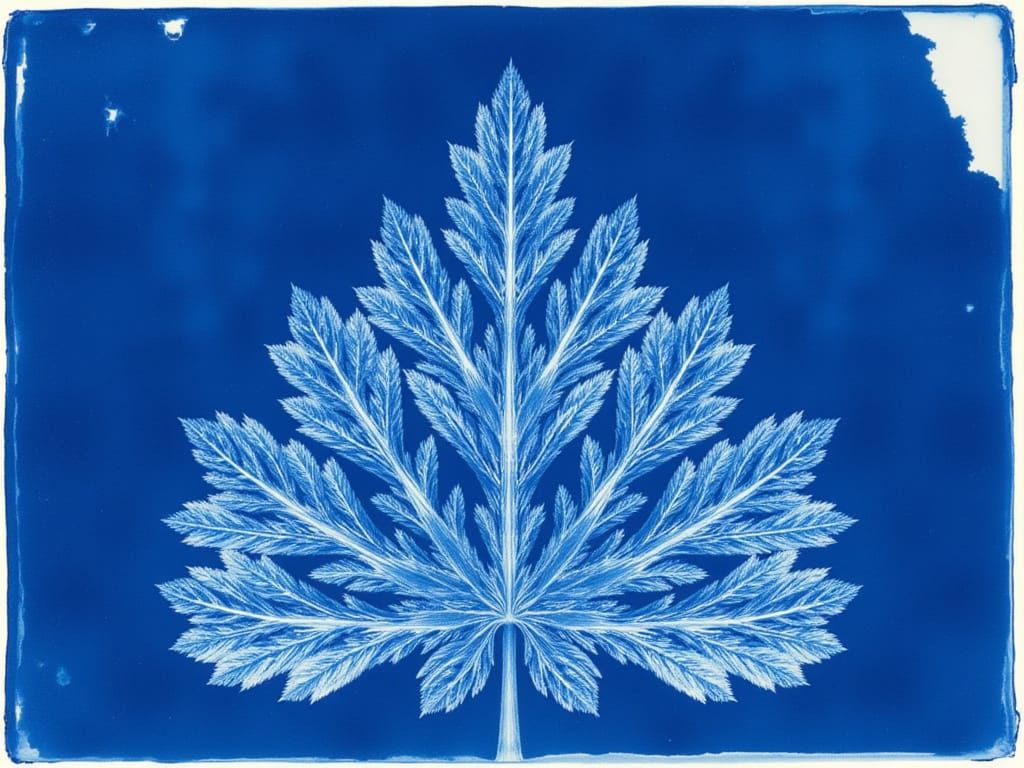
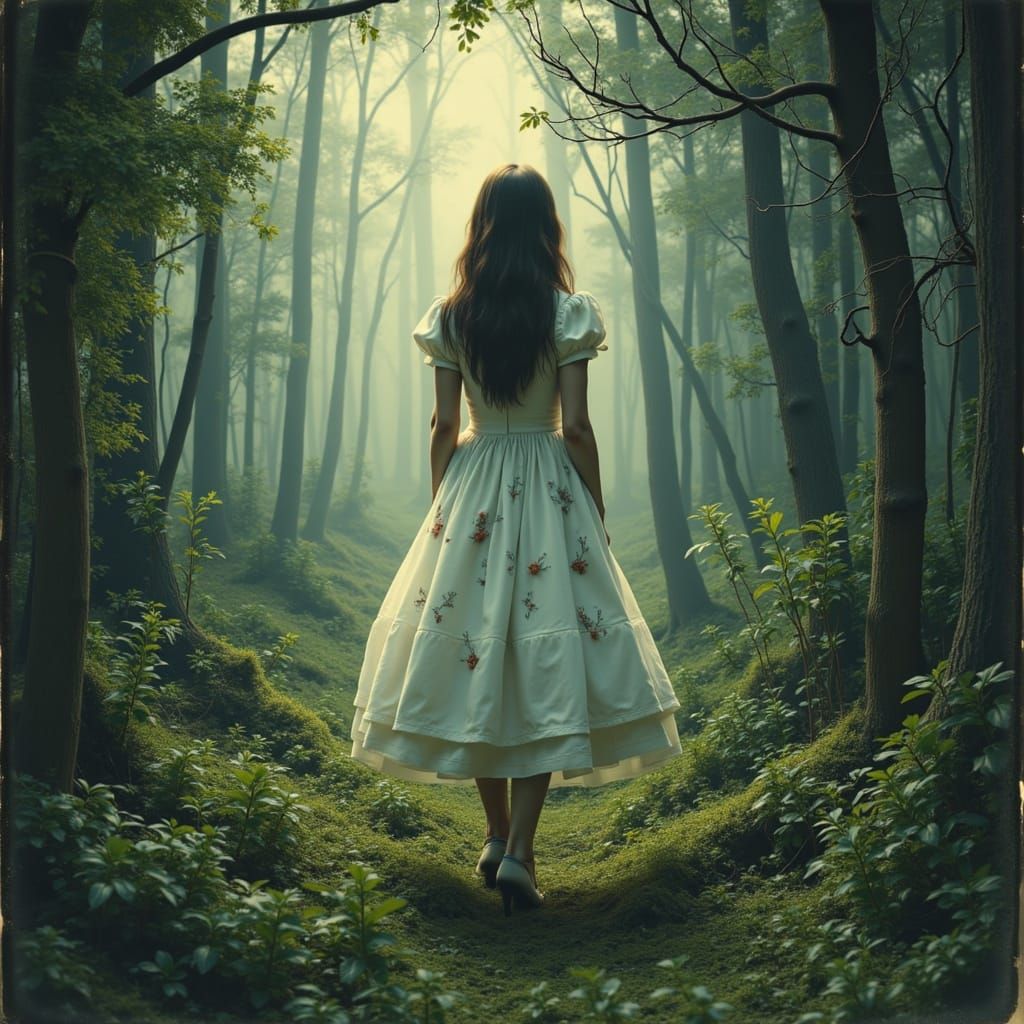
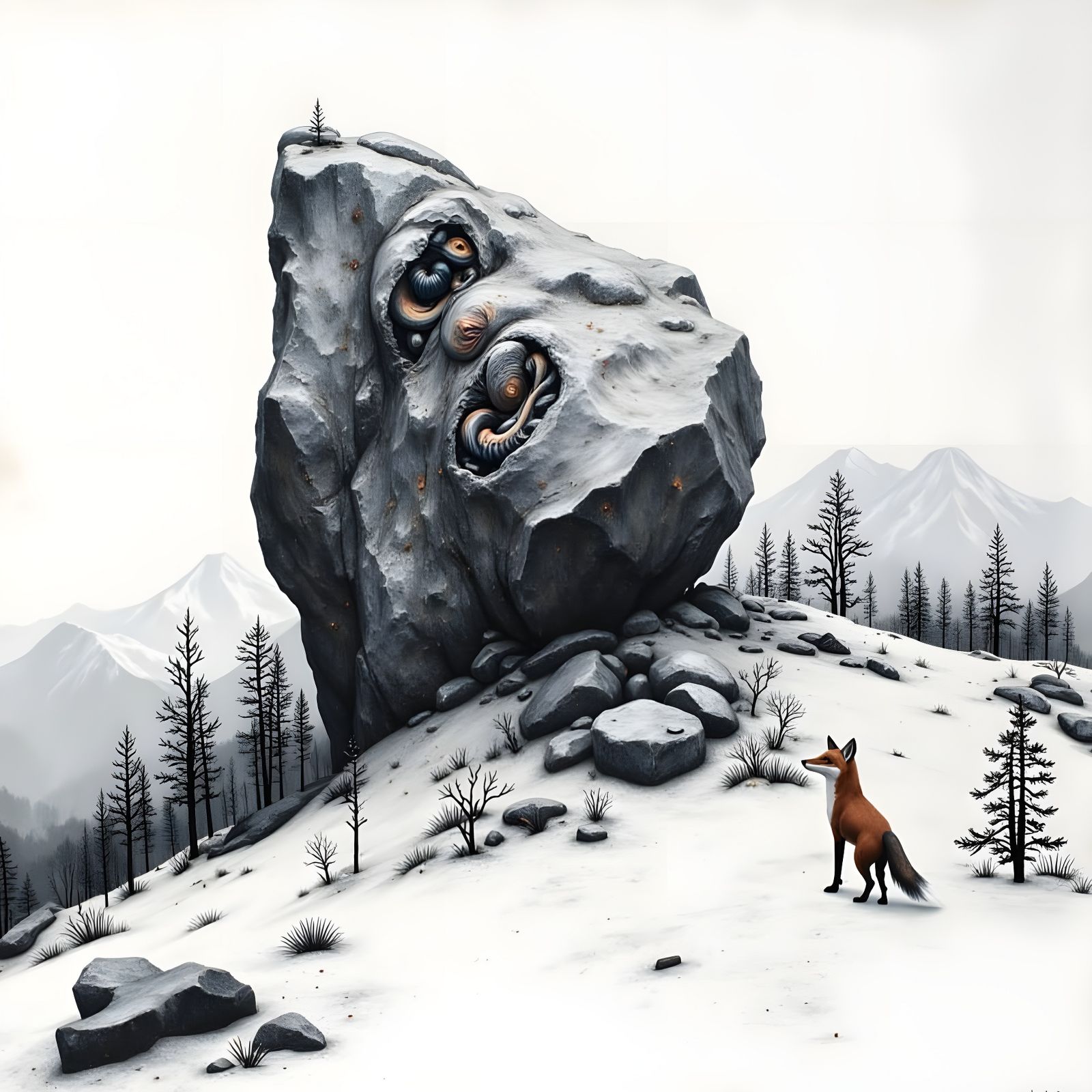
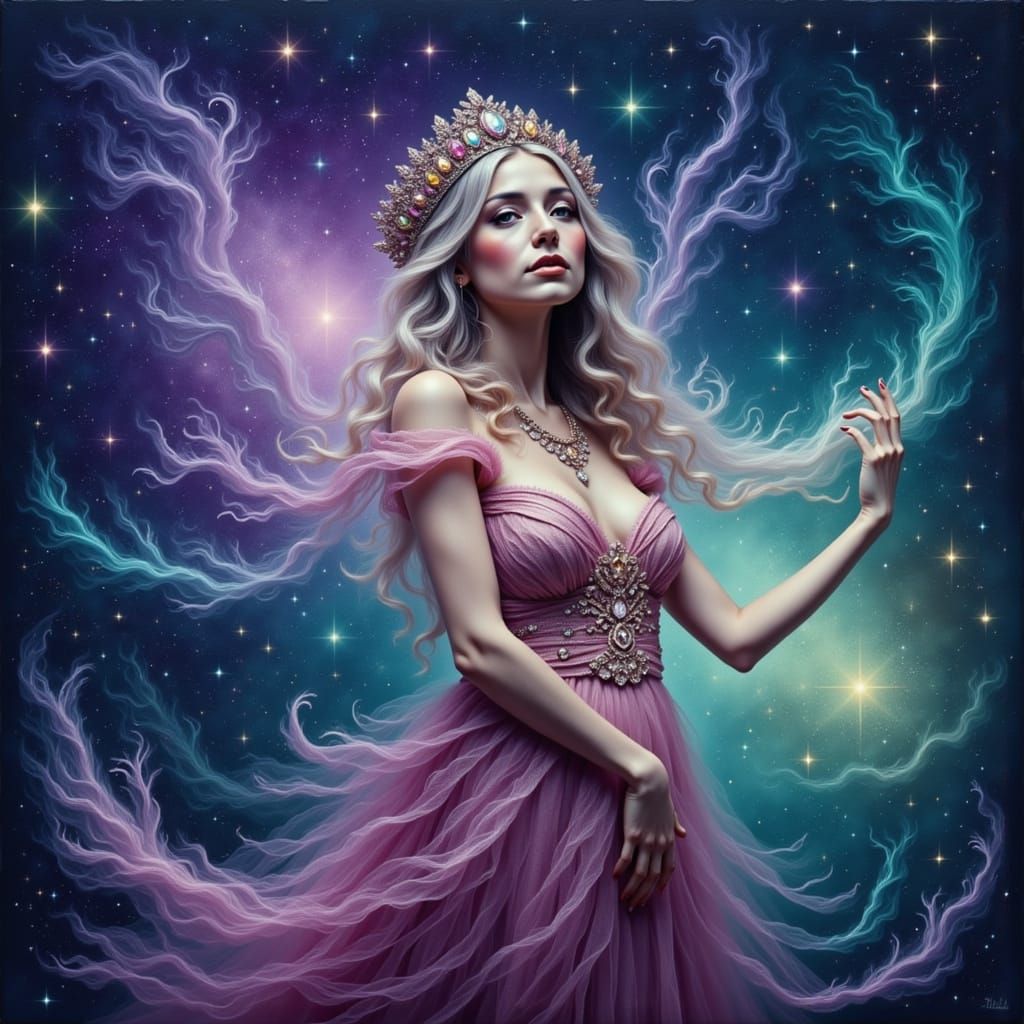
Cyanotype is a 19th-century photographic printing process that produces deep blue images. Invented in 1842 by Sir John Herschel, it uses light-sensitive iron salts that, when exposed to UV light and rinsed, create the signature Prussian blue tone. Originally used for scientific illustration (notably Anna Atkins’ botanical photograms, the first photo book), cyanotypes later became the standard for architectural “blueprints.” Today, they’re prized by artists for their simplicity, permanence, and striking hues. Toning cyanotypes shifts their blue to browns, purples, or near-black, expanding the palette beyond indigo. A cyanotype photogram is made by placing objects directly on sensitized paper and exposing it, creating silhouettes; a cyanotype photograph uses a camera-made negative for detail. Man Ray, created “rayographs” in the photogram tradition. Today, sensitized papers are sold in many hues and are safe enough for classrooms.
Usage guide
Optimal prompting keywords
We recommend using these trigger words when prompting Cyanotopia to get the best results:
- photogram
- photograph
- toned
- Blue-lilac
- 19th century
- 20th century

No comments yet.
No comments yet